Blogs, insights, guides and videos on India's unlisted market — all in one place.

<p>Oravel Stays, the parent company of Oyo, is aggressively growing its premium hospitality brand, SUNDAY Hotels, with a target of 100 properties worldwide by the end of the next financial year. This expansion aligns with the rising global demand for high-end accommodations, positioning the company as a key player in the upscale hospitality segment. </p> <p><strong>1. Presence in 10 High-Growth Markets </strong> <br />SUNDAY Hotels has already expanded into 10 countries, including India, the United Kingdom, Saudi Arabia, the UAE, Bahrain, Indonesia, Malaysia, Thailand, the Philippines, and Vietnam. These locations were strategically chosen based on their growing tourism and business travel industries, ensuring long-term sustainability and profitability. </p> <p><strong>2. Strategic Partnership with SoftBank</strong> <br />Launched in May 2023 as a collaboration between Oravel Stays and SoftBank Group, SUNDAY Hotels represents a shift toward premiumization. With a strong institutional partnership, the brand is leveraging financial backing and industry expertise to scale efficiently and enhance its market presence. </p> <p><strong>3. Strengthening Market Footprint in India </strong><br />The Indian market has played a crucial role in SUNDAY Hotels' expansion. Starting with Jaipur, the brand has rapidly spread to Vadodara, Chandigarh, and Gurugram. With 13 operational properties in India, Oravel Stays is tapping into the country’s growing appetite for luxury accommodations, driven by rising disposable incomes and increased business travel. </p> <p><strong>4. Scaling to 100 Hotels – A Calculated Growth Strategy </strong><br />At present, 30 SUNDAY Collection hotels are operational across 10 countries. With an ambitious plan to reach 100 hotels by FY26, Oravel Stays is focused on strengthening its presence in existing markets while exploring new high-demand destinations. The expansion plan is designed to cater to premium travelers and business professionals, further solidifying the brand’s positioning. </p> <p><strong>5. Global Expansion and Revenue Growth Potential </strong><br />SUNDAY Hotels took a major leap forward in August 2024 with the launch of SUNDAY Holiday International Hotel in Dubai, followed by the SUNDAY Lansbury Heritage Hotel in the United Kingdom. These additions to the portfolio highlight the company’s strategic intent to expand into lucrative international markets while maximizing revenue growth. </p> <p><strong>6. Sustained Demand Driving Rapid Expansion</strong> <br />The fast-paced expansion of SUNDAY Hotels is a result of strong consumer demand and well-executed partnerships. With a focus on offering high-quality hospitality experiences, Oravel Stays is capitalizing on the premiumization trend that continues to shape the global travel industry. </p> <p><strong>7. Conclusion: A Vision for Long-Term Growth </strong><br />Oravel Stays' strategic move to expand SUNDAY Hotels reflects a well-calculated approach to tapping into the growing luxury hospitality segment. With a strong growth trajectory and a clear focus on premiumization, the company is poised to strengthen its position in the global market, making this expansion a key milestone in its long-term vision.</p>

<p>Egypt and India are strengthening their partnership in the renewable energy sector, with Sterlite Power, a global leader in power transmission and electrical cable manufacturing, taking center stage. Hassan El Khatib, Egypt's Minister of Investment and Foreign Trade, recently held talks with Tushar Chhabra, Sterlite Power's Head of Business Acquisition, during a visit to India. The discussions focused on Sterlite Power’s ambitious proposal to develop a dedicated electricity grid for green hydrogen projects in Egypt. </p> <p><strong> 1. A Bold Vision for Green Hydrogen Development </strong><br />Sterlite Power’s proposed project, estimated at $5-6 billion, aims to revolutionize Egypt’s power transmission landscape. By creating a robust infrastructure to support green hydrogen initiatives, the project aligns with Egypt’s broader goals of transitioning to sustainable energy solutions. Minister El Khatib highlighted the project as a testament to the growing trust of international investors in Egypt's renewable energy market and its potential to become a global clean energy hub. </p> <p><strong> 2. Opportunities for Economic Growth and Job Creation </strong><br />The collaboration with Sterlite Power is expected to provide significant economic benefits for Egypt. The Minister emphasized that such investments will not only improve Egypt’s energy capabilities but also create new job opportunities and promote sustainable development. This partnership with Indian companies like Sterlite Power underscores the increasing international interest in Egypt's renewable energy initiatives. </p> <p><strong>3. Sterlite Power’s Commitment to Innovation </strong><br />Sterlite Power views Egypt as a key market for expanding its presence in the green energy sector. Tushar Chhabra expressed the company’s commitment to leveraging its global expertise in power transmission to deliver cutting-edge technology for the proposed project. Sterlite Power aims to ensure high efficiency and sustainability in the development of Egypt’s green hydrogen infrastructure, marking a significant milestone in its global expansion strategy. </p> <p><strong>4. Rising Indian Interest in Egypt’s Energy Market </strong><br />India’s involvement in Egypt’s renewable energy sector continues to grow. Sterlite Power’s proposal follows the footsteps of other Indian companies like OCIOR Energy, which signed an agreement in December 2022 to invest $4.2 billion in producing green ammonia from green hydrogen in the Suez Canal Economic Zone. Such developments highlight the mutual interest and collaboration between the two nations in advancing renewable energy solutions. </p> <p>This ambitious project by Sterlite Power is expected to pave the way for stronger bilateral ties and set a benchmark for future investments in the global green hydrogen economy.</p>

<p>Kerala is gearing up to revolutionize its transportation sector by introducing its first hydrogen-powered bus. This groundbreaking project is the result of a collaboration between a major energy corporation and a globally recognized solar-powered airport. Together, they aim to pave the way for a cleaner and more sustainable future.</p> <p><strong>1. Showcasing Green Innovation</strong><br />The prototype of the hydrogen-fueled bus was unveiled during a global summit on hydrogen and renewable energy held in Kochi. This marks a significant step forward as the state works on completing its first green hydrogen production and refueling facility, located near the airport. Construction is in its final stages, with the facility expected to be fully operational within two months.</p> <p><strong>2. Advancing Green Mobility</strong><br />The hydrogen bus has been developed through a partnership with a Pune-based technology firm, and its initial operations will focus on airport connectivity and internal transit. This effort is part of a larger vision to integrate hydrogen energy into the region’s transportation network. The green hydrogen facility, built at an estimated cost of ₹25 crore, will supply clean fuel for the bus and other airport operations. This initiative represents a bold step toward establishing a hydrogen-based transport ecosystem and showcases the state’s leadership in sustainable infrastructure development.</p> <p><strong>3. A Model for Sustainable Infrastructure</strong><br />The hydrogen production facility near the airport is a world first, combining hydrogen production and refueling capabilities in close proximity to an aviation hub. The project aligns with India’s commitment to zero-carbon energy solutions and contributes to global efforts to reduce emissions. The airport, already recognized for its renewable energy achievements with a 50 MW capacity from solar and hydroelectric sources, is furthering its sustainability drive by committing to advanced energy projects, including synthetic aviation fuel production.</p> <p><strong>4. Aligning with National Hydrogen Goals </strong><br />This project forms part of a nationwide mission aimed at promoting hydrogen-based technologies. As part of a broader pilot initiative, hydrogen-powered buses and vehicles will be tested on key routes across the country. Kerala’s selected routes for these trials include Thiruvananthapuram-Kochi and Kochi-Edappally, with operations expected to begin within two years. These trials will provide valuable insights into the potential of hydrogen-powered transport in reducing emissions and fostering clean energy adoption.</p> <p><strong>5. Strategic Collaborations for Green Solutions</strong><br />The deployment of the hydrogen bus is the outcome of a strategic partnership involving a mobility company, a technology firm, and the energy corporation spearheading the project. The 9-meter-long bus, capable of accommodating over 30 passengers, is being introduced as part of a three-year Proof of Concept initiative. The supporting hydrogen infrastructure includes advanced production and refueling facilities, offering a model for similar projects in the future.</p> <p><strong>6. Shaping the Future of Clean Energy </strong><br />This initiative is expected to demonstrate the feasibility and efficiency of hydrogen-based mobility, potentially influencing policy frameworks and spurring further investment in green hydrogen. With Kerala at the forefront of adopting hydrogen technology, the state is setting an example for sustainable energy solutions that align with long-term carbon-neutral goals.</p> <p>Kerala’s commitment to hydrogen energy signals a transformative shift in how transportation and infrastructure are envisioned, positioning the region as a leader in the clean energy movement.</p>
<p>🚨 Big News for Investors! Vikram Solar, one of India’s top solar energy companies, is now entering the high-growth sector of Solid-State Battery Manufacturing — a move that could redefine its future and unlock immense value for shareholders. In this video, we decode: ✅ What is Solid-State Battery Technology ✅ Key Benefits Over Traditional Lithium-Ion Batteries ✅ Vikram Solar’s ₹1,000 Cr Investment Plan in Tamil Nadu ✅ Impact on Business Growth & Shareholder Value ✅ How This Strategic Diversification Aligns with India’s Green Energy Goals ✅ What Shareholders Should Watch Going Forward With massive tailwinds like India’s energy transition, EV adoption, and global ESG investing trends — this new vertical could be a game-changer for Vikram Solar and its investors.</p>
<h3 data-start="202" data-end="222"><strong data-start="206" data-end="222">Introduction</strong></h3> <p data-start="223" data-end="813">In a major development in the Indian financial landscape, <strong data-start="281" data-end="331">IndusInd International Holdings Limited (IIHL)</strong> has successfully acquired <strong data-start="358" data-end="386">Reliance Capital Limited</strong> for <strong data-start="391" data-end="407">₹9,650 crore</strong>. The deal, concluded under the <strong data-start="439" data-end="479">Insolvency and Bankruptcy Code (IBC)</strong> framework, marks a turning point in the revival of one of India's distressed financial conglomerates. Even more noteworthy is IIHL’s plan to <strong data-start="621" data-end="708">take Reliance Capital’s two insurance subsidiaries public within the next two years</strong>, signaling its ambition to unlock value and expand its footprint in the booming Indian insurance sector.</p> <p data-start="815" data-end="957">This blog delves into what IIHL is, the background of the deal, strategic rationale, and what it means for the financial sector and investors.</p> <hr data-start="959" data-end="962" /> <h3 data-start="964" data-end="984"><strong data-start="968" data-end="984">Who is IIHL?</strong></h3> <p data-start="985" data-end="1299"><strong data-start="985" data-end="1035">IndusInd International Holdings Limited (IIHL)</strong> is a <strong data-start="1041" data-end="1087">Mauritius-based investment holding company</strong> and is the <strong data-start="1099" data-end="1135">promoter entity of IndusInd Bank</strong>, one of India’s top private sector banks. IIHL is part of the <strong data-start="1198" data-end="1215">Hinduja Group</strong>, a globally diversified business conglomerate with operations in over 30 countries.</p> <p data-start="1301" data-end="1360">The Hinduja Group has a strong presence in sectors such as:</p> <ul data-start="1361" data-end="1514"> <li data-start="1361" data-end="1389">Automotive (Ashok Leyland)</li> <li data-start="1390" data-end="1436">Banking & Financial Services (IndusInd Bank)</li> <li data-start="1437" data-end="1477">IT Services (Hinduja Global Solutions)</li> <li data-start="1478" data-end="1490">Healthcare</li> <li data-start="1491" data-end="1514">Media & Entertainment</li> </ul> <p data-start="1516" data-end="1698">Through IIHL, the Group has been looking to consolidate and expand its presence in India’s financial services space. The acquisition of Reliance Capital fits well into this strategy.</p> <hr data-start="1700" data-end="1703" /> <h3 data-start="1705" data-end="1759"><strong data-start="1709" data-end="1759">Background: What Happened to Reliance Capital?</strong></h3> <p data-start="1760" data-end="1934"><strong data-start="1760" data-end="1780">Reliance Capital</strong>, once a flagship company of the <strong data-start="1813" data-end="1847">Anil Ambani-led Reliance Group</strong>, was a prominent player in India’s financial services ecosystem with interests across:</p> <ul data-start="1935" data-end="2036"> <li data-start="1935" data-end="1951">Life Insurance</li> <li data-start="1952" data-end="1971">General Insurance</li> <li data-start="1972" data-end="1990">Asset Management</li> <li data-start="1991" data-end="2011">Commercial Finance</li> <li data-start="2012" data-end="2036">Broking & Distribution</li> </ul> <p data-start="2038" data-end="2118">However, in recent years, the company found itself in financial distress due to:</p> <ul data-start="2119" data-end="2225"> <li data-start="2119" data-end="2139">Excessive leverage</li> <li data-start="2140" data-end="2169">Deteriorating asset quality</li> <li data-start="2170" data-end="2191">Governance concerns</li> <li data-start="2192" data-end="2225">Regulatory and legal challenges</li> </ul> <p data-start="2227" data-end="2460">As a result, in <strong data-start="2243" data-end="2260">November 2021</strong>, <strong data-start="2262" data-end="2310">RBI superseded the board of Reliance Capital</strong> and referred the company for insolvency proceedings under the IBC framework. This marked one of the largest financial services insolvencies in India.</p> <hr data-start="2462" data-end="2465" /> <h3 data-start="2467" data-end="2511"><strong data-start="2471" data-end="2511">The Acquisition Deal: Key Highlights</strong></h3> <ul data-start="2512" data-end="2840"> <li data-start="2512" data-end="2574"><strong data-start="2514" data-end="2527">Acquirer:</strong> IndusInd International Holdings Limited (IIHL)</li> <li data-start="2575" data-end="2612"><strong data-start="2577" data-end="2599">Transaction Value:</strong> ₹9,650 crore</li> <li data-start="2613" data-end="2645"><strong data-start="2615" data-end="2624">Mode:</strong> Resolution under IBC</li> <li data-start="2646" data-end="2840"><strong data-start="2648" data-end="2672">Key Assets Acquired:</strong> <ul data-start="2675" data-end="2840"> <li data-start="2675" data-end="2707"><strong data-start="2677" data-end="2707">Reliance General Insurance</strong></li> <li data-start="2710" data-end="2746"><strong data-start="2712" data-end="2746">Reliance Nippon Life Insurance</strong></li> <li data-start="2749" data-end="2840">Reliance Securities, Reliance Health Insurance, and other financial services subsidiaries</li> </ul> </li> </ul> <p data-start="2842" data-end="3059">The acquisition was fiercely contested, with several bidders in the fray. Eventually, IIHL emerged as the <strong data-start="2948" data-end="2966">highest bidder</strong>, showcasing its strategic interest in building a comprehensive financial services portfolio.</p> <hr data-start="3061" data-end="3064" /> <h3 data-start="3066" data-end="3118"><strong data-start="3070" data-end="3118">IIHL's Strategic Plan: IPO of Insurance Arms</strong></h3> <p data-start="3119" data-end="3175">Post-acquisition, IIHL has laid out a <strong data-start="3157" data-end="3174">clear roadmap</strong>:</p> <ul data-start="3176" data-end="3424"> <li data-start="3176" data-end="3273">It plans to <strong data-start="3190" data-end="3231">restructure and streamline operations</strong> of Reliance Capital and its subsidiaries.</li> <li data-start="3274" data-end="3424">Most importantly, <strong data-start="3294" data-end="3423">IIHL is preparing to take both Reliance General Insurance and Reliance Nippon Life Insurance public within the next two years</strong>.</li> </ul> <h4 data-start="3426" data-end="3444"><strong data-start="3431" data-end="3444">Why IPOs?</strong></h4> <ul data-start="3445" data-end="3931"> <li data-start="3445" data-end="3578"><strong data-start="3447" data-end="3467">Unlocking Value:</strong> Insurance businesses in India are highly valued due to the low penetration levels and strong growth potential.</li> <li data-start="3579" data-end="3701"><strong data-start="3581" data-end="3600">Debt Reduction:</strong> Monetizing these businesses through IPOs will help IIHL recover capital and reduce financial burden.</li> <li data-start="3702" data-end="3825"><strong data-start="3704" data-end="3727">Investor Sentiment:</strong> Public listing brings transparency and better corporate governance, boosting investor confidence.</li> <li data-start="3826" data-end="3931"><strong data-start="3828" data-end="3854">Regulatory Compliance:</strong> Listing can help meet regulatory solvency and capital adequacy requirements.</li> </ul> <hr data-start="3933" data-end="3936" /> <h3 data-start="3938" data-end="3998"><strong data-start="3942" data-end="3998">Why Insurance is the Next Big Growth Engine in India</strong></h3> <p data-start="3999" data-end="4072">IIHL’s decision to bet big on insurance is a calculated move. Here’s why:</p> <ul data-start="4073" data-end="4527"> <li data-start="4073" data-end="4202"><strong data-start="4075" data-end="4105">Low Insurance Penetration:</strong> India’s insurance penetration stands at just around 4.2% of GDP, far lower than global averages.</li> <li data-start="4203" data-end="4325"><strong data-start="4205" data-end="4232">Favorable Demographics:</strong> A large young population, increasing income levels, and rising awareness are fueling demand.</li> <li data-start="4326" data-end="4428"><strong data-start="4328" data-end="4355">Digital Transformation:</strong> Tech-led distribution models are improving accessibility and efficiency.</li> <li data-start="4429" data-end="4527"><strong data-start="4431" data-end="4451">Regulatory Push:</strong> IRDAI has been proactively pushing reforms to deepen insurance penetration.</li> </ul> <p data-start="4529" data-end="4702">Hence, <strong data-start="4536" data-end="4601">Reliance General Insurance and Reliance Nippon Life Insurance</strong>, with a new promoter and fresh capital infusion, can capture significant market share going forward.</p> <hr data-start="4704" data-end="4707" /> <h3 data-start="4709" data-end="4747"><strong data-start="4713" data-end="4747">Impact on the Financial Sector</strong></h3> <p data-start="4748" data-end="4824">The successful resolution of Reliance Capital has far-reaching implications:</p> <ol data-start="4825" data-end="5318"> <li data-start="4825" data-end="4944"><strong data-start="4828" data-end="4860">Revival of a Stressed Asset:</strong> A large NBFC has found a new lease on life, potentially preserving jobs and assets.</li> <li data-start="4945" data-end="5055"><strong data-start="4948" data-end="4986">Positive Signal for IBC Framework:</strong> This resolution reinforces confidence in India’s insolvency process.</li> <li data-start="5056" data-end="5198"><strong data-start="5059" data-end="5097">Consolidation in Insurance Sector:</strong> A new, well-capitalized player backed by the Hinduja Group can intensify competition and innovation.</li> <li data-start="5199" data-end="5318"><strong data-start="5202" data-end="5239">Better Governance & Transparency:</strong> Listing of insurance subsidiaries will bring in improved regulatory oversight.</li> </ol> <hr data-start="5320" data-end="5323" /> <h3 data-start="5325" data-end="5365"><strong data-start="5329" data-end="5365">What Should Investors Watch For?</strong></h3> <p data-start="5366" data-end="5443">For retail and institutional investors, here are a few key things to monitor:</p> <ul data-start="5444" data-end="5892"> <li data-start="5444" data-end="5575"><strong data-start="5446" data-end="5471">Valuation Benchmarks:</strong> Watch how IIHL values the insurance arms before IPO — it can be a good indication of sector valuations.</li> <li data-start="5576" data-end="5688"><strong data-start="5578" data-end="5598">Growth Strategy:</strong> What new distribution models or digital innovations are introduced by the new management?</li> <li data-start="5689" data-end="5811"><strong data-start="5691" data-end="5716">Financial Turnaround:</strong> Monitor key metrics like solvency ratio, premium growth, and combined ratio in insurance arms.</li> <li data-start="5812" data-end="5892"><strong data-start="5814" data-end="5829">IPO Timing:</strong> Market conditions will play a big role in the success of IPOs.</li> </ul> <hr data-start="5894" data-end="5897" /> <h3 data-start="5899" data-end="5917"><strong data-start="5903" data-end="5917">Conclusion</strong></h3> <p data-start="5918" data-end="6229">The acquisition of Reliance Capital by IIHL is not just a routine M&A deal—it’s a <strong data-start="6000" data-end="6074">strategic blueprint for revival, value unlocking, and sector expansion</strong>. With plans to take the insurance arms public, IIHL is positioning itself as a <strong data-start="6154" data-end="6228">long-term player in India's fast-evolving financial services landscape</strong>.</p> <p data-start="6231" data-end="6422">For investors, this development brings both <strong data-start="6275" data-end="6364">new investment opportunities and a potential re-rating of insurance sector valuations</strong> in the coming years. It’s a story worth tracking closely.</p>

<p data-start="145" data-end="636">In a significant move aimed at bringing clarity and fairness to employee stock option plans (ESOPs), the Securities and Exchange Board of India (SEBI) has released a consultation paper on March 20, 2025, proposing key amendments to the <strong data-start="381" data-end="406">SBEB & SE Regulations</strong>. These changes specifically address a long-standing ambiguity regarding the <strong data-start="483" data-end="571">eligibility of employees who are later classified as promoters at the time of an IPO</strong>, and whether they can continue to hold and exercise their ESOPs.</p> <p data-start="638" data-end="842">This move is particularly relevant for <strong data-start="677" data-end="720">startup founders, early-stage employees</strong>, and companies gearing up for a public listing, where such transitions from employee to promoter status are quite common.</p> <p data-start="844" data-end="1058">To help investors and stakeholders better understand the implications of this proposal, here’s a simplified Q&A format explaining what the new rule is, why SEBI is introducing it, and who stands to benefit from it.</p> <h3 data-start="231" data-end="324">📌 <strong data-start="238" data-end="324">Q1: What is the current rule regarding ESOPs and Promoters under SEBI Regulations?</strong></h3> <p data-start="326" data-end="626">Under <strong data-start="332" data-end="364">SEBI (SBEB & SE) Regulations</strong>, <strong data-start="366" data-end="445">promoters or members of the promoter group are not allowed to receive ESOPs</strong> (Employee Stock Option Plans).<br data-start="476" data-end="479" /><br />Also, <strong data-start="485" data-end="537">if an employee is later classified as a promoter</strong>, it creates confusion about whether they can still exercise their earlier granted ESOPs.</p> <hr data-start="628" data-end="631" /> <h3 data-start="633" data-end="687">📌 <strong data-start="640" data-end="687">Q2: What’s the issue SEBI is trying to fix?</strong></h3> <p data-start="689" data-end="873">Sometimes, <strong data-start="700" data-end="729">employees (like Founders)</strong> who were earlier granted ESOPs later get classified as <strong data-start="785" data-end="819">"Promoters" at the time of IPO</strong>, because public issue norms require such disclosures.</p> <p data-start="875" data-end="1003">But current rules are not clear whether they can still <strong data-start="930" data-end="965">retain and exercise their ESOPs</strong> after being identified as a promoter.</p> <p data-start="1005" data-end="1148">As a result, <strong data-start="1018" data-end="1052">employees may lose their ESOPs</strong> even though they got them fairly as part of their compensation <strong data-start="1116" data-end="1147">before IPO planning started</strong>.</p> <hr data-start="1150" data-end="1153" /> <h3 data-start="1155" data-end="1234">📌 <strong data-start="1162" data-end="1234">Q3: What change is SEBI now proposing in the new consultation paper?</strong></h3> <p data-start="1236" data-end="1392">SEBI wants to allow such employees (founders, key people) to <strong data-start="1297" data-end="1332">retain and exercise their ESOPs</strong>, <strong data-start="1334" data-end="1374">even if they later become a promoter</strong>, but <strong data-start="1380" data-end="1391">only if</strong>:</p> <ul data-start="1393" data-end="1547"> <li data-start="1393" data-end="1547">Those ESOPs or benefits were granted <strong data-start="1432" data-end="1458">at least 1 year before</strong> the company decides to go for an IPO (i.e., before the Board passes the IPO resolution).</li> </ul> <hr data-start="1549" data-end="1552" /> <h3 data-start="1554" data-end="1610">📌 <strong data-start="1561" data-end="1610">Q4: What exactly will be added to SEBI rules?</strong></h3> <p data-start="1612" data-end="1673">A new <strong data-start="1618" data-end="1659">"Explanation 2 under Regulation 9(6)"</strong> will clarify:</p> <blockquote data-start="1675" data-end="1985"> <p data-start="1677" data-end="1985">If any employee who was <strong data-start="1701" data-end="1752">granted ESOPs, SARs (Stock Appreciation Rights)</strong> or any other share-based benefits <strong data-start="1787" data-end="1828">before being identified as a promoter</strong>, and those grants were done <strong data-start="1857" data-end="1900">at least 1 year before the IPO decision</strong>, then they can continue to <strong data-start="1928" data-end="1984">hold, exercise, or enjoy the benefit of those grants</strong>.</p> </blockquote> <hr data-start="1987" data-end="1990" /> <h3 data-start="1992" data-end="2046">📌 <strong data-start="1999" data-end="2046">Q5: Why has SEBI put this 1-year condition?</strong></h3> <p data-start="2048" data-end="2311">SEBI is concerned that <strong data-start="2071" data-end="2130">companies may misuse ESOP grants just before IPO filing</strong> (to benefit promoters unfairly).<br data-start="2163" data-end="2166" />So, <strong data-start="2170" data-end="2204">a cooling-off period of 1 year</strong> will help ensure that such ESOPs are genuine compensation grants — <strong data-start="2272" data-end="2299">not last-minute rewards</strong> before IPO.</p> <hr data-start="2313" data-end="2316" /> <h3 data-start="2318" data-end="2369">📌 <strong data-start="2325" data-end="2369">Q6: Who benefits from this new proposal?</strong></h3> <ul data-start="2371" data-end="2577"> <li data-start="2371" data-end="2458"><strong data-start="2373" data-end="2385">Founders</strong> or <strong data-start="2389" data-end="2419">employees-turned-promoters</strong> who were fairly granted ESOPs earlier.</li> <li data-start="2459" data-end="2577">It ensures they are <strong data-start="2481" data-end="2515">not deprived of their benefits</strong> just because they became a promoter later for IPO compliance.</li> </ul> <hr data-start="2579" data-end="2582" /> <h3 data-start="2584" data-end="2663">📌 <strong data-start="2591" data-end="2663">Q7: What does it mean for startup founders or early-stage employees?</strong></h3> <p data-start="2665" data-end="2890">This is a <strong data-start="2675" data-end="2697">very positive step</strong>, especially for <strong data-start="2714" data-end="2752">founders in startups planning IPOs</strong> in the near future. It protects their <strong data-start="2793" data-end="2822">long-term ESOP incentives</strong> without being penalized due to promoter classification at IPO time.</p> <hr data-start="2892" data-end="2895" /> <h3 data-start="2897" data-end="2953">✅ <strong data-start="2903" data-end="2953">Summary – New SEBI Proposal:</strong></h3> <blockquote data-start="2954" data-end="3115"> <p data-start="2956" data-end="3115"><strong data-start="2956" data-end="3115">If ESOPs are granted at least one year before IPO planning starts, and later that employee is classified as a promoter — the ESOPs will still remain valid.</strong></p> </blockquote>
<p>Discover the inspiring journey and robust business model of Indian Potash Limited (IPL) — a cornerstone of India’s agricultural and food security ecosystem. In this video, we take you through how IPL, established in 1955 and backed by the Government of India and major cooperatives like IFFCO, plays a pivotal role in ensuring timely and affordable supply of essential fertilizers to millions of Indian farmers. From importing Muriate of Potash (MOP) and other crop nutrients to building a vast pan-India distribution network and expanding into FMCG with IPL Salt, IPL has diversified its operations to create a sustainable growth engine. You’ll also learn about: ✅ IPL’s revenue streams ✅ Government subsidy mechanisms under NBS ✅ Their logistics & procurement strategy ✅ Challenges such as working capital risks and price volatility ✅ IPL’s vision for the future with digital Agri-solutions and FMCG expansion Whether you’re an investor, agriculture enthusiast, or just curious about India’s Agri-Supply chain, this video offers deep insights into one of the most impactful organizations in the country.</p>
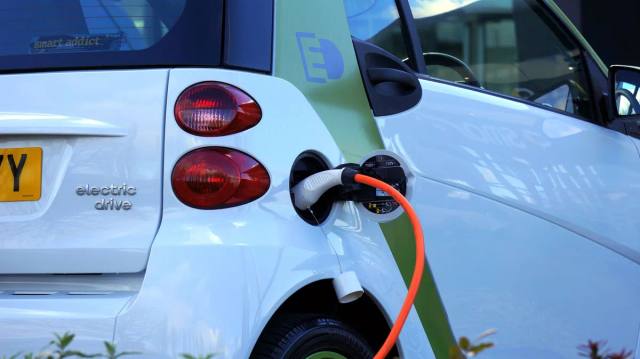
<h2 data-start="149" data-end="168"><strong data-start="152" data-end="168">Introduction</strong></h2> <p data-start="170" data-end="678">India's transition to electric vehicles (EVs) is one of the most critical pieces of its green mobility puzzle. Among the early movers in this space, <strong data-start="319" data-end="331">BluSmart</strong>, a 100% electric ride-hailing platform, and <strong data-start="376" data-end="403">Gensol Engineering Ltd.</strong>, a renewable energy and EV solutions company, appeared to form a promising partnership model. While BluSmart has positioned itself as an environmentally responsible mobility service provider, Gensol has backed it with infrastructure, vehicle financing, and charging support.</p> <p data-start="680" data-end="988">However, in recent months, cracks in this seemingly symbiotic relationship have begun to surface. Concerns around BluSmart’s financial sustainability, payment delays to Gensol, and broader challenges in the asset-light EV model have sparked debates on whether this partnership is sustainable in the long run.</p> <p data-start="990" data-end="1122">In this article, we examine how <strong data-start="1022" data-end="1060">BluSmart is struggling with Gensol</strong>, what went wrong, and what it means for India’s EV ecosystem.</p> <hr data-start="1124" data-end="1127" /> <h2 data-start="1129" data-end="1181"><strong data-start="1132" data-end="1181">BluSmart: The Rise of a Clean Mobility Vision</strong></h2> <p data-start="1183" data-end="1528">Founded in 2019, <strong data-start="1200" data-end="1212">BluSmart</strong> set out to revolutionize urban mobility by offering a fully electric fleet, zero ride cancellations, and professional driver-partners—setting itself apart from incumbents like Ola and Uber. The company has raised significant capital from global investors and received attention for its ESG-compliant business model.</p> <p data-start="1530" data-end="1869">As part of its growth strategy, BluSmart entered into <strong data-start="1584" data-end="1610">agreements with Gensol</strong> and other partners to lease EVs instead of owning them. Gensol, in turn, took the responsibility to procure, own, and lease electric vehicles to BluSmart, creating a “pay-per-use” model that would, in theory, reduce upfront capital requirements for BluSmart.</p> <hr data-start="1871" data-end="1874" /> <h2 data-start="1876" data-end="1899"><strong data-start="1879" data-end="1899">What Went Wrong?</strong></h2> <h3 data-start="1901" data-end="1949"><strong data-start="1905" data-end="1949">1. Payment Delays and Rising Receivables</strong></h3> <p data-start="1951" data-end="2446">One of the biggest red flags has been <strong data-start="1989" data-end="2031">payment delays from BluSmart to Gensol</strong>. As per Gensol’s financial filings, <strong data-start="2068" data-end="2126">receivables from BluSmart have increased significantly</strong>, indicating a buildup of unpaid dues. In any leasing-based asset-light model, timely payments are essential to ensure working capital discipline. Gensol, being an infrastructure and engineering company, has to service its own loans for EV procurement, and delayed payments put significant pressure on its balance sheet.</p> <h3 data-start="2448" data-end="2482"><strong data-start="2452" data-end="2482">2. Unviable Unit Economics</strong></h3> <p data-start="2484" data-end="2856">BluSmart’s ride fares remain similar to traditional cab aggregators, but it operates with higher cost structures—EV leasing charges, charging infrastructure costs, and fleet maintenance. Despite a clean energy pitch, <strong data-start="2701" data-end="2767">the company has not yet demonstrated profitable unit economics</strong>, and without consistent cash flows, honoring lease payments to Gensol becomes difficult.</p> <h3 data-start="2858" data-end="2904"><strong data-start="2862" data-end="2904">3. Gensol’s Profitability Under Stress</strong></h3> <p data-start="2906" data-end="3309">While Gensol’s revenue has grown due to increased leasing volumes, <strong data-start="2973" data-end="3076">profitability remains under threat due to delayed payments and rising provisions for doubtful debts</strong>. Gensol’s earnings are increasingly being questioned by analysts due to their high dependence on a single client—BluSmart. This over-dependence not only weakens Gensol’s business model but also exposes it to significant credit risk.</p> <hr data-start="3311" data-end="3314" /> <h2 data-start="3316" data-end="3359"><strong data-start="3319" data-end="3359">Is the Business Model Itself Flawed?</strong></h2> <p data-start="3361" data-end="3627">The BluSmart-Gensol model mirrors a <strong data-start="3397" data-end="3435">"build-operate-transfer" ecosystem</strong>, where infrastructure is handled by Gensol and operational revenue flows to BluSmart. But here lies the flaw: <strong data-start="3546" data-end="3598">If BluSmart fails to generate sufficient revenue</strong>, the entire model collapses.</p> <p data-start="3629" data-end="3833">Many analysts argue that BluSmart should have focused on a more conservative scale-up with partial ownership of fleet and better cost controls, instead of going asset-light with heavy leasing obligations.</p> <hr data-start="3835" data-end="3838" /> <h2 data-start="3840" data-end="3877"><strong data-start="3843" data-end="3877">Investor Concerns on Both Ends</strong></h2> <p data-start="3879" data-end="4228">Investors in <strong data-start="3892" data-end="3965">BluSmart are wary of cash burn rates and lack of breakeven visibility</strong>, while <strong data-start="3973" data-end="4057">Gensol’s shareholders are worried about concentrated risk and rising receivables</strong>. As both companies gear up for potential public listings in the future, these issues are likely to face intense scrutiny from institutional investors and rating agencies.</p> <hr data-start="4230" data-end="4233" /> <h2 data-start="4235" data-end="4288"><strong data-start="4238" data-end="4288">Broader Impact on India’s EV Leasing Ecosystem</strong></h2> <p data-start="4290" data-end="4375">This tussle highlights deeper structural challenges in the EV leasing model in India:</p> <ul data-start="4377" data-end="4767"> <li data-start="4377" data-end="4453"><strong data-start="4379" data-end="4420">EVs require large upfront investments</strong> but have longer payback periods.</li> <li data-start="4454" data-end="4556"><strong data-start="4456" data-end="4500">Fleet operators rely on high utilization</strong>, which is still not achieved across many Indian cities.</li> <li data-start="4557" data-end="4641"><strong data-start="4559" data-end="4601">Charging infrastructure remains patchy</strong>, leading to operational inefficiencies.</li> <li data-start="4642" data-end="4767"><strong data-start="4644" data-end="4672">Financing costs are high</strong>, and with EV resale markets still in their infancy, residual value risk remains on the lessor.</li> </ul> <hr data-start="4769" data-end="4772" /> <h2 data-start="4774" data-end="4827"><strong data-start="4777" data-end="4827">Way Forward: Can the Relationship Be Repaired?</strong></h2> <p data-start="4829" data-end="4915">To survive and thrive, both BluSmart and Gensol need to restructure their partnership:</p> <ul data-start="4917" data-end="5311"> <li data-start="4917" data-end="5010"><strong data-start="4919" data-end="4961">BluSmart must raise additional capital</strong> or explore fare revisions to improve cash flows.</li> <li data-start="5011" data-end="5126"><strong data-start="5013" data-end="5061">Gensol may need to diversify its client base</strong>, reduce exposure to BluSmart, and create risk-sharing contracts.</li> <li data-start="5127" data-end="5243">A <strong data-start="5131" data-end="5176">tripartite model involving NBFCs or banks</strong> could help in vehicle financing, reducing Gensol’s capital burden.</li> <li data-start="5244" data-end="5311"><strong data-start="5246" data-end="5281">Better operational transparency</strong> is also the need of the hour.</li> </ul> <hr data-start="5313" data-end="5316" /> <h2 data-start="5318" data-end="5335"><strong data-start="5321" data-end="5335">Conclusion</strong></h2> <p data-start="5337" data-end="5745">What started as a benchmark partnership in India's EV mobility ecosystem is now under strain. BluSmart’s financial stress and its cascading impact on Gensol have exposed the <strong data-start="5511" data-end="5555">vulnerabilities of leasing-led EV models</strong> in India. For the EV industry to scale, partnerships must be based not just on sustainability promises but also <strong data-start="5668" data-end="5744">robust financial models, proper risk-sharing, and operational discipline</strong>.</p> <p data-start="5747" data-end="5925">The BluSmart-Gensol case is a cautionary tale—one that policymakers, startups, and investors must analyze carefully while shaping the future of India’s green mobility revolution.</p>

<p>HDFC Securities Ltd (HDFC Sec) recently settled a case with the Securities and Exchange Board of India (SEBI) by paying Rs 65 lakh for multiple regulatory lapses in its IT infrastructure, disaster recovery framework, and cybersecurity measures. SEBI had issued a show cause notice (SCN) on 8 August 2024, highlighting several non-compliances within the brokerage firm’s operations. </p> <p><strong>1. IT Infrastructure and Monitoring Deficiencies </strong><br />One of the key concerns raised by SEBI was HDFC Sec’s failure to set up proper monitoring mechanisms for its IT systems. The company's IT policies did not trigger alerts when the utilisation of critical assets exceeded 70%. Additionally, during an inspection, it was discovered that only five out of 52 servers had the log analytics and monitoring application (LAMA) installed, leaving 47 servers without this essential security measure. </p> <p><strong>2. Gaps in Disaster Recovery Mechanisms </strong><br />Another violation involved HDFC Sec's failure to conduct a full trading day disaster recovery (DR) drill every quarter, as required by regulatory guidelines. Regular DR drills are crucial for ensuring operational resilience in the event of a system failure, but the company was found to be lacking in this regard. </p> <p><strong>3. Inadequate Cybersecurity Measures </strong><br />SEBI also found significant shortcomings in HDFC Sec’s cybersecurity policies. The company did not have a well-defined cyber resilience framework, and it failed to properly classify its applications and servers based on their criticality. Proper categorisation is essential for safeguarding sensitive systems and mitigating cyber risks effectively. </p> <p><strong>4. Settlement Process with SEBI </strong><br />Following the SCN, HDFC Sec submitted a settlement application on the same date, 8 August 2024, seeking to resolve the matter. SEBI’s internal committee (IC) reviewed the application and recommended a settlement amount of Rs 65 lakh. HDFC Sec’s authorised representative was informed about this decision. The company later submitted revised settlement terms in alignment with the IC’s recommendations. </p> <p><strong>5. Final Approval and Payment of Settlement Amount </strong><br />The high-powered advisory committee (HPAC) assessed the settlement application on 24 December 2024, and the panel of whole-time members (WTMs) gave their approval on 5 February 2025. On 4 March 2025, HDFC Sec officially notified SEBI about the payment of the settlement amount. </p> <p><strong>6. SEBI Retains the Right for Further Action </strong><br />Despite the settlement, SEBI has clarified that this agreement does not prevent further regulatory action if HDFC Sec is later found to have provided incomplete or misleading information, failed to uphold settlement commitments, or violated any undertakings. The regulator retains the authority to pursue additional measures if discrepancies arise.</p>

<p>Vikram Solar, a prominent player in the renewable energy sector, has announced plans to build a cutting-edge 1 GWh solid-state cell and battery manufacturing facility. Designed with scalability in mind, the facility will have the potential to expand its capacity to 5 GWh, aligning with the increasing global demand for sustainable energy solutions. This initiative underscores the company’s commitment to advancing energy storage technologies. </p> <p><strong>1. Advancing Self-Reliance and Clean Energy Goals </strong><br />Gyanesh Chaudhary, Chairman and Managing Director of Vikram Solar, emphasized the strategic importance of the project in promoting India's self-reliance in renewable energy. "Our batteries, built with predominantly domestic components, align with India’s climate objectives and the vision of Atmanirbharta (self-reliance)," he stated. Vikram Solar is collaborating with Entity2 Energy Storage, a leader in non-lithium solid-state battery technology with numerous patents. Together, they aim to develop scalable solutions to meet rising energy demands. </p> <p><strong> 2.</strong> <strong>Benefits of Solid-State Battery Technology </strong><br />Solid-state batteries offer a range of advantages, including enhanced energy storage capacity and minimal risks of fire or overheating. These batteries perform reliably across diverse temperature ranges and operating conditions, eliminating the formation of dendrites. With a lifespan of approximately 10,000 cycles and stability at up to 5C charge rates, they promise efficiency and superior performance. Additionally, most of the raw materials are sourced domestically, fostering supply chain resilience and boosting local industries. </p> <p><strong> 3.</strong> <strong>Environmentally Friendly and Recyclable </strong><br />Vikram Solar’s batteries are designed with sustainability in mind. Made from non-hazardous materials, these products are fully recyclable, reducing environmental impact and promoting eco-friendly practices in energy storage. </p> <p><strong> 4.The Growing Need for Battery Storage in India </strong><br />India currently derives only 15-20% of its energy from renewable sources. However, the country aims to increase this share to 50% by 2030, according to a report by CRISIL. To accommodate this ambitious target, significant investments in battery storage will be required. Vikram Solar’s PowerHive battery storage solutions are positioned to address this critical need. The CRISIL report projects an additional 23-24 GW of battery energy storage capacity will be needed between 2025 and 2030. </p> <p><strong> 5. Integrating Energy Generation and Storage </strong> <br />Through its battery storage solutions, Vikram Solar aims to deliver an integrated energy system that combines renewable energy generation with storage capabilities. The company’s established network of partners and its advanced R&D capabilities provide a strong foundation for innovation in battery chemistry, enabling it to create transformative energy solutions. </p> <p><strong> 6. A Legacy of Excellence </strong><br />Headquartered in Kolkata, West Bengal, Vikram Solar boasts a cumulative production capacity of 4.5 GW. Recognized as a ‘Top Performer’ in PVEL’s PV Module Reliability Scorecard, the company is also featured in Bloomberg NEF's Tier 1 list of solar PV module manufacturers. This new venture into battery manufacturing further solidifies its position as a leader in the renewable energy industry. </p> <p>By integrating advanced energy storage technologies into its portfolio, Vikram Solar is paving the way for a sustainable energy future while contributing to India’s renewable energy aspirations.</p>
<p data-start="272" data-end="619"><br data-start="298" data-end="301" />OYO, the hospitality giant, is aiming to achieve an EBITDA of <strong data-start="366" data-end="382">INR 1,550 Cr</strong> in FY25, surpassing its earlier target of <strong data-start="425" data-end="441">INR 1,200 Cr</strong>.<br data-start="442" data-end="445" />Founder <strong data-start="456" data-end="474">Ritesh Agarwal</strong> attributes this growth to the recent acquisition of <strong data-start="527" data-end="554">US-based G6 Hospitality</strong>, which alone is expected to contribute <strong data-start="594" data-end="608">INR 350 Cr</strong> to EBITDA.</p> <ul> <li data-start="621" data-end="1007"> <p data-start="624" data-end="1007"><strong data-start="624" data-end="667">Strategic Acquisition of G6 Hospitality</strong><br data-start="667" data-end="670" />In <strong data-start="676" data-end="693">December 2024</strong>, OYO acquired <strong data-start="708" data-end="726">G6 Hospitality</strong> (owner of <strong data-start="737" data-end="748">Motel 6</strong> and <strong data-start="753" data-end="765" data-is-only-node="">Studio 6</strong>) for <strong data-start="771" data-end="805">$525 Mn (approx. INR 4,580 Cr)</strong> in an all-cash deal.<br data-start="826" data-end="829" />This acquisition enhances OYO’s presence in the <strong data-start="880" data-end="905">North American market</strong> and sets the stage for “premiumisation” of the <strong data-start="953" data-end="970">Motel 6 brand</strong>, already well-established in the US.</p> </li> <li data-start="1009" data-end="1331"> <p data-start="1012" data-end="1121"><strong data-start="1012" data-end="1052">Promising FY26 Financial Projections</strong><br data-start="1052" data-end="1055" />Ritesh Agarwal projects a strong FY26 performance, targeting:</p> <ul data-start="1125" data-end="1331"> <li data-start="1125" data-end="1161"><strong data-start="1127" data-end="1142">Net Profit:</strong> INR <strong data-start="1147" data-end="1159">1,100 Cr</strong></li> <li data-start="1165" data-end="1197"><strong data-start="1167" data-end="1178">EBITDA:</strong> INR <strong data-start="1183" data-end="1195">2,000 Cr</strong></li> <li data-start="1201" data-end="1331">Contribution from G6 Hospitality: <strong data-start="1237" data-end="1251">INR 690 Cr</strong><br data-start="1251" data-end="1254" />This underlines the long-term value the acquisition is expected to unlock.</li> </ul> </li> <li data-start="1333" data-end="1589"> <p data-start="1336" data-end="1589"><strong data-start="1336" data-end="1380">Townhouse Hotels Leading Domestic Growth</strong><br data-start="1380" data-end="1383" />In India, OYO’s flagship <strong data-start="1411" data-end="1431">Townhouse hotels</strong> are a key revenue generator.<br data-start="1460" data-end="1463" />These properties are witnessing <strong data-start="1498" data-end="1529">double-digit monthly growth</strong>, reflecting robust demand and effective market positioning.</p> </li> <li data-start="1591" data-end="1916"> <p data-start="1594" data-end="1916"><strong data-start="1594" data-end="1651">Focus on Spiritual Tourism & Indian Market Leadership</strong><br data-start="1651" data-end="1654" />OYO is tapping into <strong data-start="1677" data-end="1721">India’s booming spiritual tourism sector</strong> as a strategic growth area.<br data-start="1749" data-end="1752" />The company aspires to become <strong data-start="1785" data-end="1825">India’s leading hospitality provider</strong>, focusing on <strong data-start="1839" data-end="1886">quality, profitability, and market coverage</strong> across all customer segments.</p> </li> <li data-start="1918" data-end="2194"> <p data-start="1921" data-end="2194"><strong data-start="1921" data-end="1950">Global Expansion Strategy</strong><br data-start="1950" data-end="1953" />Since its inception in <strong data-start="1979" data-end="1987">2012</strong>, OYO has scaled its operations to <strong data-start="2022" data-end="2039">35+ countries</strong>, including <strong data-start="2051" data-end="2096">Europe, Southeast Asia, and North America</strong>.<br data-start="2097" data-end="2100" data-is-only-node="" />In India alone, OYO manages <strong data-start="2131" data-end="2153">10,000+ properties</strong>, showcasing its vast domestic footprint.</p> </li> <li data-start="2196" data-end="2483"> <p data-start="2199" data-end="2483"><strong data-start="2199" data-end="2236">IPO Pressure & Investor Sentiment</strong><br data-start="2236" data-end="2239" />Despite its global success, OYO has <strong data-start="2278" data-end="2310">twice deferred its IPO plans</strong>.<br data-start="2311" data-end="2314" />Investors, including <strong data-start="2338" data-end="2364">Mizuho Financial Group</strong>, are now pushing for a public listing by <strong data-start="2406" data-end="2422">October 2025</strong>, as the company faces a <strong data-start="2447" data-end="2473">$383 Mn debt repayment</strong> deadline.</p> </li> <li data-start="2485" data-end="2901"> <p data-start="2488" data-end="2527"><strong data-start="2488" data-end="2525">Profitability Milestones Achieved</strong></p> <ul data-start="2531" data-end="2901"> <li data-start="2531" data-end="2667">OYO reported its <strong data-start="2550" data-end="2602">first-ever annual profit of INR 229.5 Cr in FY24</strong>, a sharp turnaround from a <strong data-start="2630" data-end="2664">loss of INR 1,286.5 Cr in FY23</strong>.</li> <li data-start="2671" data-end="2775">In <strong data-start="2676" data-end="2687">Q3 FY25</strong>, net profit jumped nearly <strong data-start="2714" data-end="2734">6x to INR 166 Cr</strong>, compared to INR 25 Cr in <strong data-start="2761" data-end="2772">Q3 FY24</strong>.</li> <li data-start="2779" data-end="2901">Quarterly revenue also grew <strong data-start="2809" data-end="2832">31% to INR 1,695 Cr</strong>, from <strong data-start="2839" data-end="2855">INR 1,296 Cr</strong> in the previous year’s corresponding quarter.</li> </ul> </li> <li data-start="2903" data-end="3221"> <p data-start="2906" data-end="3221"><strong data-start="2906" data-end="2924">The Road Ahead</strong><br data-start="2924" data-end="2927" />With a strong comeback, strategic acquisitions, and a renewed focus on both <strong data-start="3006" data-end="3044">domestic and international markets</strong>, OYO is gearing up for <strong data-start="3068" data-end="3098">sustained long-term growth</strong>.<br data-start="3099" data-end="3102" />However, it must <strong data-start="3122" data-end="3181">balance investor expectations and regulatory challenges</strong> as it prepares for a <strong data-start="3203" data-end="3220">potential IPO</strong>.</p> </li> </ul>

<p>RNIT Solutions & Services Ltd has officially merged with Autopal Industries Ltd under the IBC resolution plan and has now been rebranded as RNIT AI Solutions Ltd, marking a strategic pivot into the world of Artificial Intelligence and Technology.</p>
Indicative prices, company research and your enquiries — in your pocket. Get price notes on the names you follow and reach our team from anywhere.