Blogs, insights, guides and videos on India's unlisted market — all in one place.

<p>India’s EV revolution just hit a major controversy. BluSmart – the electric cab startup promising a green future – seems to be tangled in a web of questionable corporate moves. Behind the scenes, Gensol Engineering's promoter allegedly used shareholder money to build BluSmart… but without making it a proper subsidiary. Why? 🔍 In this video, we expose: How BluSmart began with a bold promise Gensol’s hidden involvement The conflict of interest that raises major governance concerns BluSmart's ongoing financial struggles And whether its recent move to Uber is a lifeline or a red flag </p>
<h2 class="" data-start="345" data-end="397">A) Context: SEBI’s Interim Order Sends Shockwaves</h2> <p class="" data-start="399" data-end="797">On April 15, 2025, the <strong data-start="422" data-end="471">Securities and Exchange Board of India (SEBI)</strong> issued a detailed interim order exposing large-scale financial irregularities and corporate governance lapses at <strong data-start="585" data-end="615">Gensol Engineering Limited</strong>. The order named <strong data-start="633" data-end="677">Anmol Singh Jaggi and Puneet Singh Jaggi</strong>, the promoters of Gensol, for alleged misappropriation of public funds, diversion of loans, and misleading disclosures.</p> <p class="" data-start="799" data-end="960">These two individuals are also key stakeholders in <strong data-start="850" data-end="883">Matrix Gas and Renewables Ltd</strong>, an unlisted company whose shares are actively traded in the private market.</p> <h2 class="" data-start="962" data-end="1010">B) Key Allegations Against the Jaggi Brothers</h2> <p class="" data-start="1012" data-end="1069">SEBI’s 29-page order outlines a comprehensive pattern of:</p> <ul data-start="1070" data-end="1430"> <li class="" data-start="1070" data-end="1167"> <p class="" data-start="1072" data-end="1167"><strong data-start="1072" data-end="1111">Diversion of ₹262 Cr+ loan proceeds</strong>, meant for EV procurement, to promoter-related entities</p> </li> <li class="" data-start="1168" data-end="1248"> <p class="" data-start="1170" data-end="1248"><strong data-start="1170" data-end="1200">Creation of fake documents</strong> to mislead credit rating agencies and investors</p> </li> <li class="" data-start="1249" data-end="1350"> <p class="" data-start="1251" data-end="1350"><strong data-start="1251" data-end="1289">Use of funds for personal expenses</strong>, including luxury real estate and foreign currency purchases</p> </li> <li class="" data-start="1351" data-end="1430"> <p class="" data-start="1353" data-end="1430"><strong data-start="1353" data-end="1398">Routing of funds through related entities</strong>, one of which is <strong data-start="1416" data-end="1430">Matrix Gas</strong></p> </li> </ul> <h2 class="" data-start="1432" data-end="1484">C) Direct Mention of Matrix Gas in the SEBI Order</h2> <p class="" data-start="1486" data-end="1626">The SEBI order specifically names <strong data-start="1520" data-end="1554">Matrix Gas and Renewables Ltd.</strong> as a <strong data-start="1560" data-end="1593">beneficiary of diverted funds</strong>. According to the investigation:</p> <ul data-start="1627" data-end="2011"> <li class="" data-start="1627" data-end="1723"> <p class="" data-start="1629" data-end="1723">Matrix Gas received <strong data-start="1649" data-end="1661">₹63.9 Cr</strong> from Wellray Solar, a conduit entity used by Gensol promoters</p> </li> <li class="" data-start="1724" data-end="1865"> <p class="" data-start="1726" data-end="1865">Additionally, <strong data-start="1740" data-end="1765">₹46 Cr of these funds</strong> were eventually used for <strong data-start="1791" data-end="1814">stock market trades</strong>, some of which involved the scrip of Gensol itself</p> </li> <li class="" data-start="1866" data-end="2011"> <p class="" data-start="1868" data-end="2011">The promoters allegedly used Matrix Gas as one of the vehicles to <strong data-start="1934" data-end="1958">park or rotate funds</strong>, raising serious questions about financial integrity</p> </li> </ul> <h2 class="" data-start="2013" data-end="2057">D) Implications for Unlisted Shareholders</h2> <p class="" data-start="2059" data-end="2142">Investors holding <strong data-start="2077" data-end="2107">Matrix Gas Unlisted Shares</strong> must consider the following risks:</p> <h3 class="" data-start="2144" data-end="2172">1. <strong data-start="2151" data-end="2172">Reputational Risk</strong></h3> <p class="" data-start="2173" data-end="2317">Now that its promoters are under SEBI scanner and barred from capital markets, Matrix Gas’s brand equity and credibility take a significant hit.</p> <h3 class="" data-start="2319" data-end="2345">2. <strong data-start="2326" data-end="2345">Regulatory Risk</strong></h3> <p class="" data-start="2346" data-end="2485">Being named in an ongoing SEBI investigation could result in further scrutiny, enforcement actions, or funding restrictions for Matrix Gas.</p> <h3 class="" data-start="2487" data-end="2512">3. <strong data-start="2494" data-end="2512">Liquidity Risk</strong></h3> <p class="" data-start="2513" data-end="2649">As concerns rise, investor appetite in the unlisted market may shrink, <strong data-start="2584" data-end="2606">reducing liquidity</strong> for existing shareholders looking to exit.</p> <h3 class="" data-start="2651" data-end="2691">4. <strong data-start="2658" data-end="2691">Corporate Governance Overhang</strong></h3> <p class="" data-start="2692" data-end="2826">If similar practices are found within Matrix Gas, its valuation, access to capital, and future listing potential could be compromised.</p> <h2 class="" data-start="2828" data-end="2852">E) The Bigger Picture</h2> <p class="" data-start="2854" data-end="3137">What makes this case critical is that <strong data-start="2892" data-end="2931">Matrix Gas is not just “associated”</strong> with Gensol — it is a <strong data-start="2954" data-end="2999">directly named recipient of misused funds</strong>. This raises concerns not just about past financial practices, but about <strong data-start="3073" data-end="3108">future operational transparency</strong> and <strong data-start="3113" data-end="3136">investor protection</strong>.</p> <hr class="" data-start="3139" data-end="3142" /> <h2 class="" data-start="3144" data-end="3174">F) Our View at UnlistedZone</h2> <p class="" data-start="3176" data-end="3429">At UnlistedZone, we believe in identifying high-potential private companies for investors — but <strong data-start="3272" data-end="3311">transparency and promoter integrity</strong> are non-negotiable. The developments around Gensol and Matrix Gas <strong data-start="3378" data-end="3397">raise red flags</strong> that investors must not ignore.</p> <p class="" data-start="3431" data-end="3475">We advise all stakeholders in Matrix Gas to:</p> <ul data-start="3476" data-end="3648"> <li class="" data-start="3476" data-end="3532"> <p class="" data-start="3478" data-end="3532">Closely monitor SEBI’s ongoing forensic audit outcomes</p> </li> <li class="" data-start="3533" data-end="3599"> <p class="" data-start="3535" data-end="3599">Reassess exposure based on risk tolerance and investment horizon</p> </li> <li class="" data-start="3600" data-end="3648"> <p class="" data-start="3602" data-end="3648">Await clarity on management’s response, if any</p> </li> </ul>
<p>In a significant move highlighting global interest in India’s evolving energy landscape, Norwest Venture Partners has acquired a 5% stake in Power Exchange India Limited (PXIL). PXIL, a key platform facilitating power trading in India, is jointly backed by the National Stock Exchange (NSE) and the National Commodity & Derivatives Exchange (NCDEX). The investment comes as India steps up efforts to modernize its electricity market infrastructure and increase transparency in the sector.</p> <p><br /><strong>1. India’s Energy Demand on the Rise</strong><br />Driven by rapid urbanization, industrial expansion, and increasing energy needs, India has emerged as one of the world’s largest and fastest-growing energy consumers. To meet this surge sustainably, the country is pushing for market-based power distribution solutions. PXIL, with its efficient trading mechanisms and tech-enabled services, plays a crucial role in this transformation.</p> <p><strong>2. Power Exchanges at the Core of Energy Reforms</strong><br />Exchanges like PXIL are central to India’s goal of reshaping how electricity is generated, traded, and consumed. By offering platforms that promote fair price discovery and reduce inefficiencies, PXIL contributes to a more competitive and cleaner energy ecosystem. The company’s leadership in rolling out innovative trading solutions and products puts it in a strong position to lead India’s green energy transition.</p> <p><strong>3. A Vote of Confidence from Norwest</strong><br />Niren Shah, Managing Director at Norwest India, emphasized the importance of transparent, market-led platforms in driving India’s energy reforms. “India’s energy market is at a critical juncture, and PXIL’s role in enabling this transformation is vital,” he noted. Ankit Prasad, Principal at Norwest, added that PXIL’s focus on product innovation, digital upgrades, and regulatory alignment make it a standout player in the sector.</p> <p><strong>4. Laying the Digital Foundation for Energy Trading</strong><br />India’s regulatory stance is increasingly favoring digital, transparent, and market-based energy trading systems. PXIL has been proactive in developing forward-looking solutions to match these policy directions. Upcoming initiatives include blockchain-enabled peer-to-peer solar trading, cross-border power transactions, green corridors, and carbon credit platforms. These innovations are set to expand market access and promote cleaner energy adoption.</p> <p><strong>5. Momentum for the Future</strong><br />Satyajit Ganguly, PXIL’s Managing Director and CEO, welcomed the partnership with Norwest as a timely and strategic boost. “This collaboration supports our ongoing expansion and technology-led product development journey. With Norwest’s global expertise, we are ready to scale new heights in market participation and trading innovation,” he said.</p> <p><strong>6. PXIL’s Diverse Institutional Backing</strong><br />PXIL has a strong institutional foundation, with backing from NSE, NCDEX, and major players in India’s power ecosystem including Power Finance Corporation, Tata Power Trading, GMR Energy, and JSW Energy. This wide base of stakeholders reinforces PXIL’s credibility and reach across the energy sector.</p> <p><strong>7. Implicit Gains for NSE: Strengthening the Ecosyst</strong>em<br />Though not a direct revenue driver, PXIL’s progress aligns well with the NSE’s broader growth strategy. As more trading activity moves through PXIL, NSE benefits indirectly through deeper market penetration, brand influence in critical infrastructure sectors, and alignment with future energy policies. This partnership underpins NSE’s silent but strategic expansion into adjacent markets that could drive long-term valuation and resilience.</p> <p><strong>8. About Norwest Venture Partners</strong><br />Norwest Venture Partners is a global investment powerhouse managing over $15.5 billion in capital. With a strong track record of backing high-potential companies across consumer, enterprise, and healthcare sectors, Norwest brings strategic expertise and growth support across markets in the U.S., India, and Israel.</p> <p><br /><strong>About PXIL</strong><br />Founded in 2008, Power Exchange India Limited (PXIL) has transformed India’s power trading landscape by offering reliable, transparent platforms for energy transactions. Jointly promoted by NSE and NCDEX, PXIL has consistently driven innovation in the Indian power market through customized trading solutions, policy advocacy, and technology-first execution.</p>

<p>Even as global markets face instability due to trade tensions and tariff hikes, India’s equity market is experiencing a sharp rise in domestic investor participation. Latest data from the National Stock Exchange (NSE) reveals that the number of registered investors surpassed 11.2 crore as of February 2025. This growth reflects how Indian households are increasingly seeing equity markets as a reliable avenue for wealth creation, even in times of uncertainty.</p> <p><strong>1. A Remarkable Month of Growth in February 2025</strong><br />In February alone, the NSE added 11.3 lakh new investors—marking one of the strongest single-month gains in its history. Total client codes on the exchange now stand at 21.9 crore, a number that factors in multiple registrations by single investors through various trading members. This expanding client base is not only a reflection of investor confidence but also an indication of the NSE's deepening role as a national financial infrastructure provider.</p> <p><strong>2. One-Year Trends Reflect a Changing Investment Culture</strong><br />The pace of growth over the past year has been extraordinary. From 9 crore investors in February 2024 to 10 crore by August 2024, and now 11 crore by January 2025—the rapid onboarding of retail investors signals a broader shift in India’s saving and investing culture. Enabled by seamless digital platforms and increasing financial literacy, market access is no longer limited to institutional players or urban populations.</p> <p><strong>3. North India Leads India’s Investor Map</strong><br />Region-wise, North India is now home to the highest number of market participants, with 4.1 crore registered investors. West India follows with 3.4 crore, South India with 2.3 crore, and East India with 1.3 crore. This regional tilt indicates an expanding economic footprint and improved market penetration in emerging states.</p> <p><strong>4. Double-Digit Growth in North and East</strong><br />North and East India posted the fastest year-on-year growth in new investor additions, growing by 27.7 percent and 27.3 percent respectively. South India recorded a 23.7 percent increase, while West India grew by 20.1 percent. These numbers highlight how India's new investor class is coming from regions that were traditionally less represented in financial markets.</p> <p><strong>5. A Structural Shift Over Five Years</strong><br />When viewed over a five-year window, the trend becomes even clearer. North India's share of total investors rose from 28.7 percent in 2020 to 36.3 percent in 2025. East India's share increased from 9.9 percent to 12 percent. Conversely, West and South India saw a relative decline, dropping from 35.4 percent to 30.3 percent and 24.6 percent to 20.6 percent respectively. This demographic change is expected to influence future capital market strategies, product offerings, and outreach.</p> <p><strong>6. Retail Momentum Enhances NSE’s Financial Foundation</strong><br />The growing investor base has a direct yet understated impact on NSE’s business model. More investors lead to higher trading volumes, which in turn result in increased transaction-based revenue, including exchange fees and clearing charges. As retail investors become more active participants in equity, derivative, and ETF markets, the revenue stream from these activities adds to the exchange’s topline. NSE’s ability to maintain robust infrastructure while scaling services nationwide enhances its positioning as a market leader.</p> <p><strong>7. Tariff Wars and Global Tensions: The External Shock Absorber</strong><br />The surge in domestic retail participation is also helping Indian markets stay resilient amid global uncertainties. The recent tariff hike by the United States—particularly on strategic imports such as semiconductors, electric vehicles, and green tech products—has sent ripples across the world economy. However, India's capital markets have remained comparatively stable, largely because of a steady flow of domestic liquidity from retail investors.</p> <p><strong>8. A Cushion Against Foreign Volatility</strong><br />As global capital becomes more sensitive to geopolitical risks, foreign institutional investor (FII) outflows have been erratic. In this context, retail inflows serve as a much-needed cushion. For the NSE, this dynamic is crucial. A higher share of domestic participation reduces the exchange's dependence on volatile FII-driven trading activity, offering more predictable and sustainable business performance over time.</p> <p><strong>Conclusion: I</strong>ndia’s Market is Evolving, and NSE is at the Core<br />India’s retail investor base is undergoing a transformation—both in size and geography. This evolution is not just a reflection of investor optimism, but also a vote of confidence in institutions like the NSE, which continue to drive market access and integrity. As more Indians enter the stock market, NSE is poised to benefit from rising trade volumes, diversified product engagement, and enhanced market depth—factors that will quietly but significantly improve its financial performance and long-term positioning in the global financial ecosystem.</p>
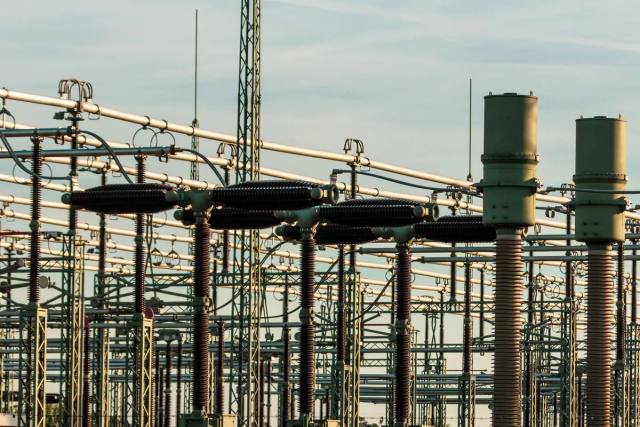
<p>In this video, we break down the business model of Spray Engineering Devices Limited (SEDL) — a leading technology-driven engineering company catering to the sugar, ethanol (biofuel), jaggery, and water treatment industries. Founded in 2004, SEDL provides energy-efficient and sustainable solutions that help industries reduce power, steam, and water consumption. The company is known for its patented engineering products, turnkey project execution capabilities, and strong R&D focus. 📣 Drop your thoughts in the comments section below – we’d love to hear from you!</p>

<p>Lord’s Mark Industries just signed a $1 million (₹8.3 crore) deal with the US for their advanced healthcare technology This isn't just a deal – it’s a massive step into the $88 billion US digital health market, showing the world what Indian innovation is capable of. And they’re not stopping at healthcare – they’re making waves in biotech, renewable energy, and finance too.</p>

<p>Tata Group is making waves in the digital world with a massive $1.3 billion boost! 🤑 BigBasket gets $1B to supercharge its dark stores and 10-minute delivery game, while Tata 1mg grabs $300M to expand express delivery and offline presence. This bold move is part of Tata Digital’s mission to dominate quick commerce and online healthcare — and finally hit profitability. The competition just got serious! </p>
<p>Hotel owners in Jaipur have levelled serious accusations against Oyo Rooms, an online hotel aggregator, claiming the company created fictitious hotel bookings. These fake transactions allegedly allowed Oyo to artificially boost its revenue figures. However, the fallout has been severe for the hotels involved, with many now burdened by hefty tax recovery demands, penalties, and interest charges amounting to several crores from the GST authorities. Struggling with this unexpected crisis, hotel operators are now left scrambling to deal with tax officials.</p> <p><strong>1. FIR Filed Against Oyo Founder Amid Growing Concerns</strong></p> <p>The situation escalated when one of the affected hotels filed a First Information Report (FIR) against Oyo's Founder, Ritesh Agarwal, at the Adarshnagar police station. Hussain Khan, President of the Hotel Federation of Rajasthan, expressed deep concern, labeling this scam a growing threat to the hospitality sector. Sandeep Gogia, the Federation’s convenor, added that over 100 hotels have already received GST notices linked to these suspicious transactions.</p> <p><strong>2. Jodhpur Hotels Also Caught in the Web</strong></p> <p>The issue isn’t confined to Jaipur alone. In Jodhpur, more than ten hotel operators have been slapped with tax notices by the State and Central GST departments over the past six months. Investigations reveal a pattern of fraud where hotel rooms were shown as booked and then immediately cancelled. Despite the cancellations, GST charges were applied, leaving hotel owners responsible for payments. Some hotels have been issued notices demanding nearly ₹1 crore.</p> <p><strong>3. Samskara Resort: Bookings Recorded Before It Even Existed</strong></p> <p>One of the most shocking revelations came from Madan Jain, director of Samskara Resort. He reported that Oyo reflected bookings worth ₹22.51 crore at their property, despite the fact that the resort wasn’t even operational in 2016, the year bookings were shown. As a result, the GST department has raised a demand of ₹2.66 crore against the resort.</p> <p><strong>4. Kartikeya Hotel: ₹44 Crore in Earnings Fabricated</strong></p> <p>Another hotelier, Nitin, who manages Kartikeya Hotel, shared a similar ordeal. According to him, the GST records indicate ₹44 crore in revenue for his hotel during the 2023–24 financial year. Consequently, he has received a recovery notice from tax authorities for around ₹4 crore.</p>

<p>Studds Accessories Ltd., the leading manufacturer of two-wheeler helmets in India, has once again filed for an initial public offering (IPO), seven years after its first attempt. This time, the IPO will be a pure offer for sale (OFS) of up to 77.9 lakh shares, with existing promoters and early investors partially exiting their holdings. No fresh capital will be raised through the issue.</p> <p><strong>1. Promoters Lead the Stake Sale</strong><br />Chairman Madhu Khurana, Managing Director Sidhartha Khurana, and members of the Leekha family are among the key stakeholders participating in the OFS. Since no new shares are being issued, the company itself will not receive any funds from the IPO process. The move reflects a liquidity event for early backers rather than a fundraising initiative for expansion.</p> <p><strong>2 Valuation and Recent Corporate Actions</strong><br />The Faridabad-based company was valued at over ₹3,500 crore during its last share transaction in August 2024. In a move to reward shareholders and boost liquidity, Studds allotted 1.96 crore bonus shares earlier this year in a 1:1 ratio. Studds markets its products under two prominent brands — Studds and SMK — and has established a strong global footprint, selling in over 70 countries.</p> <p><strong>3. Dominance in the Helmet Market</strong><br />Studds enjoys a dominant position in the Indian market, with a 27.3% share by volume and 25.5% by value, as per its draft red herring prospectus (DRHP). The company emphasized that it has no listed peers of a comparable size either domestically or globally, highlighting its unique position in the protective gear industry.</p> <p><strong>4. Lead Managers and Deal Structure</strong><br />IIFL Capital Services Ltd. and ICICI Securities Ltd. have been appointed as lead managers to steer the IPO process. Their involvement signals strong institutional support for the issue, with the transaction expected to attract significant interest from both domestic and foreign investors.</p> <p><strong>5. Financial Snapshot: Solid Growth Trajectory</strong><br />Studds delivered robust financial results for FY24. Its revenue rose by 6% year-on-year to ₹529 crore, while Ebitda surged 50% to ₹90 crore, lifting the margin to 17% from 12% a year earlier. Net profit skyrocketed 73% to ₹57 crore, continuing a trend of strong earnings momentum, with profit growing at a CAGR of over 40% since FY22.</p> <p>For the first half of FY25 (ended September 2024), the company reported ₹285 crore in revenue and ₹33 crore in net profit, maintaining healthy operating margins of 17.9%. Studds also maintains a solid financial position with ₹40 crore in cash and manageable liabilities totaling ₹125 crore.</p> <p><strong>6. IPO Timing: Navigating a Cautious Market</strong><br />The timing of Studds’ IPO comes at a moment when global equity markets are cautiously optimistic. Recent data from the U.S. and Europe show signs of slowing inflation, prompting hopes of interest rate cuts in the second half of 2025. This shift is fueling a revival in IPO activity globally, especially in growth sectors like consumer goods, technology, and mobility solutions.</p> <p>India’s IPO market, too, has shown resilience with several successful listings in early 2025, although investors are becoming increasingly selective. Companies with strong brand value, profitability, and export potential — like Studds — are better positioned to attract attention amidst the crowded IPO pipeline.</p> <p><strong>8. Helmet Industry: Growing Demand Amid Safety Push</strong><br />The two-wheeler helmet market is witnessing a global surge driven by rising awareness of road safety, regulatory mandates, and urbanization in emerging economies. In India, government initiatives to enforce helmet usage for riders and pillion passengers are further boosting demand. Studds, with its extensive product range, brand recognition, and global distribution network, is well-placed to capitalize on these trends.</p> <p><strong>9. Outlook: Ready to Ride the Growth Wave</strong><br />Given its leadership position, strong financials, and consistent track record, Studds Accessories enters the IPO market with significant tailwinds. However, as with any offer for sale, the success of the issue will largely depend on investor appetite for consumer discretionary plays and broader market sentiment closer to the listing date. </p> <p>If market conditions remain favorable, Studds could well script a successful second chapter in its IPO journey — delivering value not just to its promoters but also to new shareholders who bet on its growth story.</p>

<p>Global travel-tech company OYO is taking a significant leap in its evolution by focusing on the premium segment of the hospitality market. According to sources, the company is crafting a distinctive identity for its high-end offerings. This transformation includes new visual elements such as updated staff uniforms and customized signages for property facades. These changes aim to distinguish its premium platform from its broader operations.</p> <p><strong>1. A Separate App for Premium Properties</strong></p> <p>To complement its expanding premium portfolio, OYO is reportedly working on a dedicated app tailored to mid-market and premium properties. This app will initially showcase premium hotels and vacation homes in India, with plans to later integrate its global inventory. Multiple brand names are under consideration, signaling the company's intent to create a unique identity for this initiative. The app and a corresponding website are expected to be launched within the next 2-3 months.</p> <p><strong>2. Integration of Premium Brands</strong></p> <p>The upcoming platform will serve as a comprehensive hub for OYO’s premium offerings. It will highlight flagship brands such as SUNDAY Hotels, Palette Hotels & Resorts, and the company-serviced hotel portfolio. This move reflects OYO’s broader strategy to transition from being primarily a budget player to a versatile hospitality platform catering to diverse customer needs.</p> <p><strong>3. Technology Driving the Transformation</strong></p> <p>OYO’s new premium platform will leverage advanced technology to enhance customer experience. By integrating artificial intelligence and machine learning, the platform aims to offer seamless property selection, personalized recommendations, and dynamic pricing models. These tech-driven features will cater to the preferences of modern travelers, making the booking process more intuitive and tailored.</p> <p><strong>4. Rapid Growth of SUNDAY and Company-Serviced Hotels</strong></p> <p>SUNDAY, OYO’s premium brand for four- and five-star hotels, has seen remarkable growth since its launch in May 2023. Established through a joint venture between SoftBank Group and OYO’s parent company Oravel Stays, SUNDAY operates in 10 countries, including India, the UK, UAE, and Saudi Arabia. With an ambitious goal to manage 100 properties globally by the end of the next financial year, the brand underscores OYO’s commitment to premium hospitality.</p> <p>Simultaneously, OYO’s company-serviced hotel portfolio has grown to over 1,100 properties. This expansion highlights the company’s dedication to operational excellence and customer satisfaction. OYO’s focus on curated, high-quality experiences aligns with its broader strategy to redefine its market positioning.</p> <p><strong>5. Global Footprint in Vacation Homes</strong></p> <p>In addition to its premium hotels, OYO oversees a vast portfolio of over 75,000 vacation homes, predominantly in Europe. This global presence further solidifies its standing as a leader in the hospitality sector, offering diverse accommodations to meet varying traveler needs.</p> <p><strong>6. Conclusion: A New Era for OYO</strong></p> <p>OYO’s strategic initiatives represent a significant shift in its business model. By investing in premium segments and leveraging cutting-edge technology, the company is poised to deliver curated, high-quality experiences for its customers. The launch of a dedicated app and the expansion of its premium portfolio mark a new chapter in OYO’s journey, reflecting its aspirations to be a global leader in multi-segment hospitality.</p>
<p class="" data-start="50" data-end="357">India's largest Asset Management Company (AMC), SBI Mutual Fund (SBI MF), is all set to launch its much-awaited Initial Public Offering (IPO). Backed by the State Bank of India (SBI) and Amundi (France-based Asset Management firm), this IPO is poised to be one of India's largest listings in recent years.</p> <p class="" data-start="359" data-end="527">This article provides a detailed analysis of SBI Mutual Fund’s IPO plan, expected valuation, shareholding pattern, growth drivers, key risks, and regulatory challenges.</p> <hr class="" data-start="529" data-end="532" /> <h2 class="" data-start="534" data-end="557">1. IPO Plan Overview</h2> <p class="" data-start="559" data-end="701">SBI Mutual Fund has revived its IPO plan after a gap, with active discussions held between its two promoters — State Bank of India and Amundi.</p> <h3 class="" data-start="703" data-end="747">Current Shareholding of SBI Mutual Fund:</h3> <div class="pointer-events-none relative left-[50%] flex w-[100cqw] translate-x-[-50%] justify-center *:pointer-events-auto"> <div class="tableContainer horzScrollShadows"> <table class="min-w-full" style="width: 45.3847%;" data-start="748" data-end="880"> <thead data-start="748" data-end="771"> <tr data-start="748" data-end="771"> <th style="width: 78.9067%; text-align: center;" data-start="748" data-end="762">Shareholder</th> <th style="width: 21.2418%; text-align: center;" data-start="762" data-end="771">Stake</th> </tr> </thead> <tbody data-start="795" data-end="880"> <tr data-start="795" data-end="832"> <td class="" style="width: 78.9067%; text-align: center;" data-start="795" data-end="823">State Bank of India (SBI)</td> <td class="" style="width: 21.2418%; text-align: center;" data-start="823" data-end="832">62.2%</td> </tr> <tr data-start="833" data-end="880"> <td class="" style="width: 78.9067%; text-align: center;" data-start="833" data-end="871">Amundi (France-based Asset Manager)</td> <td class="" style="width: 21.2418%; text-align: center;" data-start="871" data-end="880">36.5%</td> </tr> </tbody> </table> </div> </div> <p class="" data-start="882" data-end="1048">Meetings between stakeholders have been held across Paris, Mumbai, and Davos to finalise the IPO structure, valuation benchmarks, and appointment of merchant bankers.</p> <hr class="" data-start="1050" data-end="1053" /> <h2 class="" data-start="1055" data-end="1102">2. Expected Valuation of SBI Mutual Fund IPO</h2> <h3 class="" data-start="1104" data-end="1133">Earlier Valuation (2023):</h3> <ul data-start="1134" data-end="1206"> <li class="" data-start="1134" data-end="1159"> <p class="" data-start="1136" data-end="1159">PAT in FY23 — ₹1,340 Cr</p> </li> <li class="" data-start="1160" data-end="1206"> <p class="" data-start="1162" data-end="1206">Valuation — ₹47,000 Cr (at ~35x PE Multiple)</p> </li> </ul> <h3 class="" data-start="1208" data-end="1248">Latest Financial Performance (FY24):</h3> <ul data-start="1249" data-end="1305"> <li class="" data-start="1249" data-end="1286"> <p class="" data-start="1251" data-end="1286">PAT — ₹2,062 Cr (YoY Growth of 55%)</p> </li> <li class="" data-start="1287" data-end="1305"> <p class="" data-start="1289" data-end="1305">AUM Growth — 32%</p> </li> </ul> <h3 class="" data-start="1307" data-end="1338">Expected Valuation for IPO:</h3> <div class="pointer-events-none relative left-[50%] flex w-[100cqw] translate-x-[-50%] justify-center *:pointer-events-auto"> <div class="tableContainer horzScrollShadows"> <table class="min-w-full" style="width: 57.423%; height: 91.6666px;" data-start="1339" data-end="1542"> <thead data-start="1339" data-end="1362"> <tr style="height: 18.3333px;" data-start="1339" data-end="1362"> <th style="width: 36.9356%; height: 18.3333px; text-align: center;" data-start="1339" data-end="1351">Parameter</th> <th style="width: 62.9718%; height: 18.3333px; text-align: center;" data-start="1351" data-end="1362">Details</th> </tr> </thead> <tbody data-start="1387" data-end="1542"> <tr style="height: 18.3333px;" data-start="1387" data-end="1435"> <td class="" style="width: 36.9356%; height: 18.3333px; text-align: center;" data-start="1387" data-end="1405">Valuation Range</td> <td class="" style="width: 62.9718%; height: 18.3333px; text-align: center;" data-start="1405" data-end="1435">₹95,000 Cr to ₹1,10,000 Cr</td> </tr> <tr style="height: 18.3333px;" data-start="1436" data-end="1478"> <td class="" style="width: 36.9356%; height: 18.3333px; text-align: center;" data-start="1436" data-end="1450">PE Multiple</td> <td class="" style="width: 62.9718%; height: 18.3333px; text-align: center;" data-start="1450" data-end="1478">40x+ (Industry Standard)</td> </tr> <tr style="height: 36.6667px;" data-start="1479" data-end="1542"> <td class="" style="width: 36.9356%; height: 36.6667px; text-align: center;" data-start="1479" data-end="1490">IPO Size</td> <td class="min-w-[calc(var(--thread-content-max-width)/3)]" style="width: 62.9718%; height: 36.6667px; text-align: center;" data-start="1490" data-end="1542">₹15,700 Cr to ₹21,700 Cr (Based on 19% dilution)</td> </tr> </tbody> </table> </div> </div> <p class="" data-start="1544" data-end="1660">If the valuation sustains at the higher end, this could become India’s second-largest IPO after Hyundai Motor India.</p> <hr class="" data-start="1662" data-end="1665" /> <h2 class="" data-start="1667" data-end="1741">3. Regulatory Challenge — SEBI’s Minimum Public Shareholding (MPS) Norm</h2> <h3 class="" data-start="1743" data-end="1757">SEBI Rule:</h3> <ul data-start="1758" data-end="1834"> <li class="" data-start="1758" data-end="1834"> <p class="" data-start="1760" data-end="1834">Listed companies must maintain a minimum public shareholding (MPS) of 25%.</p> </li> </ul> <h3 class="" data-start="1836" data-end="1868">Problem for SBI Mutual Fund:</h3> <p class="" data-start="1869" data-end="1902">As per the shareholder agreement:</p> <ul data-start="1903" data-end="2024"> <li class="" data-start="1903" data-end="1941"> <p class="" data-start="1905" data-end="1941">SBI must hold at least 55% post-IPO.</p> </li> <li class="" data-start="1942" data-end="1974"> <p class="" data-start="1944" data-end="1974">Amundi must hold at least 26%.</p> </li> <li class="" data-start="1975" data-end="2024"> <p class="" data-start="1977" data-end="2024">Leaving a maximum of only 19% for public float.</p> </li> </ul> <h3 class="" data-start="2026" data-end="2048">Possible Solution:</h3> <p class="" data-start="2049" data-end="2187">SBI Mutual Fund may approach SEBI for an exemption or phased compliance — similar to the special relaxation granted to LIC during its IPO.</p> <hr class="" data-start="2189" data-end="2192" /> <h2 class="" data-start="2194" data-end="2243">4. Post-IPO Shareholding Structure (Estimated)</h2> <div class="pointer-events-none relative left-[50%] flex w-[100cqw] translate-x-[-50%] justify-center *:pointer-events-auto"> <div class="tableContainer horzScrollShadows"> <table class="min-w-full" style="width: 57.9046%; height: 91.6666px;" data-start="2245" data-end="2505"> <thead data-start="2245" data-end="2305"> <tr style="height: 36.6667px;" data-start="2245" data-end="2305"> <th style="width: 29.2225%; height: 36.6667px; text-align: center;" data-start="2245" data-end="2259">Shareholder</th> <th style="width: 25.1449%; height: 36.6667px; text-align: center;" data-start="2259" data-end="2275">Pre-IPO Stake</th> <th style="width: 45.5327%; height: 36.6667px; text-align: center;" data-start="2275" data-end="2305">Post-IPO Stake (Estimated)</th> </tr> </thead> <tbody data-start="2369" data-end="2505"> <tr style="height: 18.3333px;" data-start="2369" data-end="2409"> <td class="" style="width: 29.2225%; height: 18.3333px; text-align: center;" data-start="2369" data-end="2375">SBI</td> <td class="" style="width: 25.1449%; height: 18.3333px; text-align: center;" data-start="2375" data-end="2383">62.2%</td> <td class="" style="width: 45.5327%; height: 18.3333px; text-align: center;" data-start="2383" data-end="2409">55% (Minimum Required)</td> </tr> <tr style="height: 18.3333px;" data-start="2410" data-end="2453"> <td class="" style="width: 29.2225%; height: 18.3333px; text-align: center;" data-start="2410" data-end="2419">Amundi</td> <td class="" style="width: 25.1449%; height: 18.3333px; text-align: center;" data-start="2419" data-end="2427">36.5%</td> <td class="" style="width: 45.5327%; height: 18.3333px; text-align: center;" data-start="2427" data-end="2453">26% (Minimum Required)</td> </tr> <tr style="height: 18.3333px;" data-start="2454" data-end="2505"> <td class="" style="width: 29.2225%; height: 18.3333px; text-align: center;" data-start="2454" data-end="2463">Public</td> <td class="" style="width: 25.1449%; height: 18.3333px; text-align: center;" data-start="2463" data-end="2469">Nil</td> <td class="" style="width: 45.5327%; height: 18.3333px; text-align: center;" data-start="2469" data-end="2505">19% (Maximum Possible Initially)</td> </tr> </tbody> </table> </div> </div> <hr class="" data-start="2507" data-end="2510" /> <h2 class="" data-start="2512" data-end="2553">5. Growth Drivers Supporting Valuation</h2> <h3 class="" data-start="2555" data-end="2584">a) Management Fee Growth:</h3> <ul data-start="2585" data-end="2669"> <li class="" data-start="2585" data-end="2669"> <p class="" data-start="2587" data-end="2669">~24% growth in management fees in FY24 driven by rising AUM and product mix shift.</p> </li> </ul> <h3 class="" data-start="2671" data-end="2700">b) Distribution Strength:</h3> <ul data-start="2701" data-end="2784"> <li class="" data-start="2701" data-end="2784"> <p class="" data-start="2703" data-end="2784">Strong retail reach through SBI Bank’s branch network — contributing ~20% of AUM.</p> </li> </ul> <h3 class="" data-start="2786" data-end="2811">c) Future AUM Growth:</h3> <ul data-start="2812" data-end="2895"> <li class="" data-start="2812" data-end="2895"> <p class="" data-start="2814" data-end="2895">Despite market volatility, SBI MF has achieved 15% AUM growth in FY25 (till Feb).</p> </li> </ul> <hr class="" data-start="2897" data-end="2900" /> <h2 class="" data-start="2902" data-end="2926">6. Risks & Challenges</h2> <h3 class="" data-start="2928" data-end="2962">a) Leadership Succession Risk:</h3> <p class="" data-start="2963" data-end="3172">SBI MF has seen 7 CEOs in the last 12 years — largely due to SBI’s deputation policy. Current Joint CEO D.P. Singh (veteran of SBI MF) is on an extension till next year — making succession planning critical.</p> <h3 class="" data-start="3174" data-end="3200">b) Slowing AUM Growth:</h3> <p class="" data-start="3201" data-end="3348">While SBI MF leads the industry in AUM, competitors like ICICI Prudential AMC and HDFC AMC are catching up in terms of net inflows and gross sales.</p> <h3 class="" data-start="3350" data-end="3377">c) Regulatory Overhang:</h3> <p class="" data-start="3378" data-end="3506">IPO execution depends on SEBI’s approval for exemption from the 25% MPS rule. Any delay in approval could push the IPO timeline.</p> <hr class="" data-start="3508" data-end="3511" /> <h2 class="" data-start="3513" data-end="3554">7. Conclusion — Investment Perspective</h2> <div class="pointer-events-none relative left-[50%] flex w-[100cqw] translate-x-[-50%] justify-center *:pointer-events-auto"> <div class="tableContainer horzScrollShadows"> <table class="min-w-full" style="width: 79.9348%; height: 146.667px;" data-start="3556" data-end="3921"> <thead data-start="3556" data-end="3579"> <tr style="height: 18.3333px;" data-start="3556" data-end="3579"> <th style="width: 33.1521%; height: 18.3333px; text-align: center;" data-start="3556" data-end="3568">Parameter</th> <th style="width: 66.782%; height: 18.3333px; text-align: center;" data-start="3568" data-end="3579">Details</th> </tr> </thead> <tbody data-start="3604" data-end="3921"> <tr style="height: 18.3333px;" data-start="3604" data-end="3642"> <td class="" style="width: 33.1521%; height: 18.3333px; text-align: center;" data-start="3604" data-end="3615">IPO Size</td> <td class="" style="width: 66.782%; height: 18.3333px; text-align: center;" data-start="3615" data-end="3642">₹15,700 Cr - ₹21,700 Cr</td> </tr> <tr style="height: 18.3333px;" data-start="3643" data-end="3690"> <td class="" style="width: 33.1521%; height: 18.3333px; text-align: center;" data-start="3643" data-end="3661">Valuation Range</td> <td class="" style="width: 66.782%; height: 18.3333px; text-align: center;" data-start="3661" data-end="3690">₹95,000 Cr - ₹1,10,000 Cr</td> </tr> <tr style="height: 18.3333px;" data-start="3691" data-end="3734"> <td class="" style="width: 33.1521%; height: 18.3333px; text-align: center;" data-start="3691" data-end="3703">Promoters</td> <td class="" style="width: 66.782%; height: 18.3333px; text-align: center;" data-start="3703" data-end="3734">SBI (62.2%), Amundi (36.5%)</td> </tr> <tr style="height: 18.3333px;" data-start="3735" data-end="3774"> <td class="" style="width: 33.1521%; height: 18.3333px; text-align: center;" data-start="3735" data-end="3750">Public Float</td> <td class="" style="width: 66.782%; height: 18.3333px; text-align: center;" data-start="3750" data-end="3774">Likely 19% initially</td> </tr> <tr style="height: 18.3333px;" data-start="3775" data-end="3836"> <td class="" style="width: 33.1521%; height: 18.3333px; text-align: center;" data-start="3775" data-end="3798">Key Regulatory Issue</td> <td class="" style="width: 66.782%; height: 18.3333px; text-align: center;" data-start="3798" data-end="3836">SEBI MPS Norm — Exemption required</td> </tr> <tr style="height: 36.6667px;" data-start="3837" data-end="3921"> <td class="" style="width: 33.1521%; height: 36.6667px; text-align: center;" data-start="3837" data-end="3849">Key Risks</td> <td class="min-w-[calc(var(--thread-content-max-width)/3)]" style="width: 66.782%; height: 36.6667px; text-align: center;" data-start="3849" data-end="3921">Leadership succession, slower AUM growth, regulatory approval delays</td> </tr> </tbody> </table> </div> </div> <hr class="" data-start="3923" data-end="3926" /> <h2 class="" data-start="3928" data-end="3945">Final Thoughts</h2> <p class="" data-start="3947" data-end="4208">SBI Mutual Fund’s IPO is strategically significant for India’s asset management industry. The AMC has a robust brand, extensive distribution via SBI branches, and consistent profitability — making it an attractive investment opportunity for long-term investors.</p> <p class="" data-start="4210" data-end="4399">However, investors must closely monitor the regulatory developments (SEBI’s MPS exemption), leadership transition plans, and future AUM growth trajectory before taking investment decisions.</p> <p class="" data-start="4408" data-end="4591"><em data-start="4408" data-end="4591"><strong>Disclaimer:</strong> This analysis is for informational purposes only and should not be considered as investment advice. Investors are advised to do their own due diligence before investing.</em></p>
<h2 class="" data-start="96" data-end="114">Introduction:</h2> <p class="" data-start="115" data-end="501">Urban Company — India’s largest tech-enabled home services platform — has now become a case study for startup founders and investors in the unlisted and listed market. The company, which started its journey as UrbanClap in 2014, has not only revolutionized the home services sector in India but is now rewriting the rules of how startups should approach profitability and IPO readiness.</p> <p class="" data-start="503" data-end="685">Recently, the company received approval from its shareholders to go public but surprised the market by reducing its IPO size from the earlier planned ₹3,000 crore to just ₹528 crore.</p> <p class="" data-start="687" data-end="862">This decision highlights a new trend in India's startup ecosystem — the era of valuation-driven growth is slowing down, and profitability-driven growth is taking center stage.</p> <hr class="" data-start="864" data-end="867" /> <h2 class="" data-start="869" data-end="921">A) Brief History & Business Model of Urban Company</h2> <h3 class="" data-start="923" data-end="952">Founders & Incorporation:</h3> <p class="" data-start="953" data-end="1020">Urban Company was founded in 2014 by three IIT and IIM graduates:</p> <ul data-start="1021" data-end="1080"> <li class="" data-start="1021" data-end="1043"> <p class="" data-start="1023" data-end="1043">Abhiraj Singh Bhal</p> </li> <li class="" data-start="1044" data-end="1061"> <p class="" data-start="1046" data-end="1061">Varun Khaitan</p> </li> <li class="" data-start="1062" data-end="1080"> <p class="" data-start="1064" data-end="1080">Raghav Chandra</p> </li> </ul> <h3 class="" data-start="1082" data-end="1103">Business Model:</h3> <p class="" data-start="1104" data-end="1182">Urban Company operates as a tech-enabled marketplace for home services like:</p> <ul data-start="1183" data-end="1316"> <li class="" data-start="1183" data-end="1209"> <p class="" data-start="1185" data-end="1209">Beauty & Salon at Home</p> </li> <li class="" data-start="1210" data-end="1232"> <p class="" data-start="1212" data-end="1232">Cleaning & Repairs</p> </li> <li class="" data-start="1233" data-end="1272"> <p class="" data-start="1235" data-end="1272">Electrician, Plumbing, AC Servicing</p> </li> <li class="" data-start="1273" data-end="1293"> <p class="" data-start="1275" data-end="1293">Appliance Repair</p> </li> <li class="" data-start="1294" data-end="1316"> <p class="" data-start="1296" data-end="1316">Fitness & Wellness</p> </li> </ul> <h4 class="" data-start="1318" data-end="1339">Revenue Model:</h4> <ol data-start="1340" data-end="1701"> <li class="" data-start="1340" data-end="1432"> <p class="" data-start="1343" data-end="1432">Commission-based — Charges service professionals a percentage of every order fulfilled.</p> </li> <li class="" data-start="1433" data-end="1608"> <p class="" data-start="1436" data-end="1608">Subscription Model — For premium service partners (Urban Company Partner Program) with benefits like training, financing, product supply, insurance, and platform support.</p> </li> <li class="" data-start="1609" data-end="1701"> <p class="" data-start="1612" data-end="1701">Direct Product Sales — Recently ventured into selling D2C beauty and wellness products.</p> </li> </ol> <hr class="" data-start="1703" data-end="1706" /> <h2 class="" data-start="1708" data-end="1745">B) Funding Journey of Urban Company</h2> <p class="" data-start="1747" data-end="1864">Urban Company has raised over $400 million across multiple funding rounds. Some of its prominent investors include:</p> <ul data-start="1865" data-end="1967"> <li class="" data-start="1865" data-end="1881"> <p class="" data-start="1867" data-end="1881">Tiger Global</p> </li> <li class="" data-start="1882" data-end="1903"> <p class="" data-start="1884" data-end="1903">Steadview Capital</p> </li> <li class="" data-start="1904" data-end="1918"> <p class="" data-start="1906" data-end="1918">Vy Capital</p> </li> <li class="" data-start="1919" data-end="1948"> <p class="" data-start="1921" data-end="1948">Bessemer Venture Partners</p> </li> <li class="" data-start="1949" data-end="1967"> <p class="" data-start="1951" data-end="1967">Accel Partners</p> </li> </ul> <h3 class="" data-start="1969" data-end="2001">Last Known Valuation (2021):</h3> <p class="" data-start="2002" data-end="2078">Urban Company was valued at ~$2.8 Billion in its last funding round in 2021.</p> <hr class="" data-start="2080" data-end="2083" /> <h2 class="" data-start="2085" data-end="2159">C) Why Urban Company Decided to Reduce IPO Size from ₹3,000 Cr to ₹528 Cr?</h2> <h3 class="" data-start="2161" data-end="2177">Key Reasons:</h3> <div class="pointer-events-none relative left-[50%] flex w-[100cqw] translate-x-[-50%] justify-center *:pointer-events-auto"> <div class="tableContainer horzScrollShadows"> <table class="min-w-full" style="width: 100.039%; height: 110px;" data-start="2179" data-end="2591"> <thead data-start="2179" data-end="2198"> <tr style="height: 18.3333px;" data-start="2179" data-end="2198"> <th style="width: 25.7653%; height: 18.3333px; text-align: center;" data-start="2179" data-end="2188">Factor</th> <th style="width: 74.3018%; height: 18.3333px; text-align: center;" data-start="2188" data-end="2198">Impact</th> </tr> </thead> <tbody data-start="2219" data-end="2591"> <tr style="height: 18.3333px;" data-start="2219" data-end="2307"> <td class="max-w-[calc(var(--thread-content-max-width)*2/3)]" style="width: 25.7653%; height: 18.3333px; text-align: center;" data-start="2219" data-end="2246">Global Market Volatility</td> <td class="max-w-[calc(var(--thread-content-max-width)*2/3)] min-w-[calc(var(--thread-content-max-width)/3)]" style="width: 74.3018%; height: 18.3333px; text-align: center;" data-start="2246" data-end="2307">Uncertainty in US & Global Markets impacting startup IPOs</td> </tr> <tr style="height: 18.3333px;" data-start="2308" data-end="2373"> <td class="max-w-[calc(var(--thread-content-max-width)*2/3)]" style="width: 25.7653%; height: 18.3333px; text-align: center;" data-start="2308" data-end="2329">Investor Sentiment</td> <td class="max-w-[calc(var(--thread-content-max-width)*2/3)]" style="width: 74.3018%; height: 18.3333px; text-align: center;" data-start="2329" data-end="2373">Low Appetite for High Cash Burn Startups</td> </tr> <tr style="height: 18.3333px;" data-start="2374" data-end="2465"> <td class="max-w-[calc(var(--thread-content-max-width)*2/3)]" style="width: 25.7653%; height: 18.3333px; text-align: center;" data-start="2374" data-end="2395">Profitability Push</td> <td class="max-w-[calc(var(--thread-content-max-width)*2/3)] min-w-[calc(var(--thread-content-max-width)/3)]" style="width: 74.3018%; height: 18.3333px; text-align: center;" data-start="2395" data-end="2465">Investors preferring companies with clear profitability visibility</td> </tr> <tr style="height: 36.6667px;" data-start="2466" data-end="2591"> <td class="max-w-[calc(var(--thread-content-max-width)*2/3)]" style="width: 25.7653%; height: 36.6667px; text-align: center;" data-start="2466" data-end="2492">Selective Capital Raise</td> <td class="max-w-[calc(var(--thread-content-max-width)*2/3)] min-w-[calc(var(--thread-content-max-width)/2)]" style="width: 74.3018%; height: 36.6667px; text-align: center;" data-start="2492" data-end="2591">Company focusing on need-based capital instead of raising large sums for aggressive expansion</td> </tr> </tbody> </table> </div> </div> <hr class="" data-start="2593" data-end="2596" /> <h2 class="" data-start="2598" data-end="2639">D) Financial Performance (FY24 & Q1 FY25)</h2> <div class="pointer-events-none relative left-[50%] flex w-[100cqw] translate-x-[-50%] justify-center *:pointer-events-auto"> <div class="tableContainer horzScrollShadows"> <table class="min-w-full" style="width: 45.505%;" data-start="2641" data-end="2833"> <thead data-start="2641" data-end="2666"> <tr data-start="2641" data-end="2666"> <th style="width: 46.6069%; text-align: center;" data-start="2641" data-end="2655">Particulars</th> <th style="width: 53.265%; text-align: center;" data-start="2655" data-end="2666">Details</th> </tr> </thead> <tbody data-start="2693" data-end="2833"> <tr data-start="2693" data-end="2742"> <td class="max-w-[calc(var(--thread-content-max-width)*2/3)]" style="width: 46.6069%; text-align: center;" data-start="2693" data-end="2708">FY24 Revenue</td> <td class="max-w-[calc(var(--thread-content-max-width)*2/3)]" style="width: 53.265%; text-align: center;" data-start="2708" data-end="2742">₹827 Crore (YoY Growth of 30%)</td> </tr> <tr data-start="2743" data-end="2788"> <td class="max-w-[calc(var(--thread-content-max-width)*2/3)]" style="width: 46.6069%; text-align: center;" data-start="2743" data-end="2757">FY24 Losses</td> <td class="max-w-[calc(var(--thread-content-max-width)*2/3)]" style="width: 53.265%; text-align: center;" data-start="2757" data-end="2788">Reduced by 70% to ₹93 Crore</td> </tr> <tr data-start="2789" data-end="2833"> <td class="max-w-[calc(var(--thread-content-max-width)*2/3)]" style="width: 46.6069%; text-align: center;" data-start="2789" data-end="2799">Q1 FY25</td> <td class="max-w-[calc(var(--thread-content-max-width)*2/3)]" style="width: 53.265%; text-align: center;" data-start="2799" data-end="2833">Achieved Pre-Tax Profitability</td> </tr> </tbody> </table> </div> </div> <p class="" data-start="2835" data-end="2926"><br />This shows a clear shift in business focus from aggressive expansion to sustainable growth.</p> <hr class="" data-start="2928" data-end="2931" /> <h2 class="" data-start="2933" data-end="2985">E) New Strategic Focus Areas Post IPO Announcement</h2> <h3 class="" data-start="2987" data-end="3014">1. D2C Product Launch</h3> <p class="" data-start="3015" data-end="3160">Urban Company is moving towards launching beauty, wellness, and personal care products directly to consumers, leveraging its large customer base.</p> <h3 class="" data-start="3162" data-end="3196">2. Technology-Led Efficiency</h3> <ul data-start="3197" data-end="3350"> <li class="" data-start="3197" data-end="3249"> <p class="" data-start="3199" data-end="3249">15-Minute Service Booking Facility for Customers</p> </li> <li class="" data-start="3250" data-end="3293"> <p class="" data-start="3252" data-end="3293">AI-based allocation of service partners</p> </li> <li class="" data-start="3294" data-end="3350"> <p class="" data-start="3296" data-end="3350">Skill development and financing for service partners</p> </li> </ul> <h3 class="" data-start="3352" data-end="3378">3. Cost Optimization</h3> <p class="" data-start="3379" data-end="3469">Company has worked extensively in reducing partner acquisition cost and improving margins.</p> <hr class="" data-start="3471" data-end="3474" /> <h2 class="" data-start="3476" data-end="3519">F) IPO Backed by Leading Investment Banks</h2> <ul data-start="3520" data-end="3583"> <li class="" data-start="3520" data-end="3546"> <p class="" data-start="3522" data-end="3546">Kotak Mahindra Capital</p> </li> <li class="" data-start="3547" data-end="3564"> <p class="" data-start="3549" data-end="3564">Goldman Sachs</p> </li> <li class="" data-start="3565" data-end="3583"> <p class="" data-start="3567" data-end="3583">Morgan Stanley</p> </li> </ul> <hr class="" data-start="3585" data-end="3588" /> <h2 class="" data-start="3590" data-end="3648">G) Key Learnings for Unlisted Market & Startup Investors</h2> <h3 class="" data-start="3650" data-end="3682">1. Valuation Reset is Real</h3> <p class="" data-start="3683" data-end="3815">The IPO size cut is a strong message — The market is no longer willing to pay 10x or 20x revenue multiples for loss-making startups.</p> <h3 class="" data-start="3817" data-end="3864">2. Profitability is the New Growth Metric</h3> <p class="" data-start="3865" data-end="3976">Companies which are close to profitability or have clear path towards it will attract higher investor interest.</p> <h3 class="" data-start="3978" data-end="4018">3. Cash Burn vs Sustainable Growth</h3> <p class="" data-start="4019" data-end="4144">Capital raised through IPOs will now be used for selective expansion and operational excellence — not for reckless cash burn.</p> <hr class="" data-start="4146" data-end="4149" /> <h2 class="" data-start="4151" data-end="4184">H) Final Take from UnlistedZone</h2> <p class="" data-start="4186" data-end="4252">Urban Company is a textbook example for India's startup ecosystem:</p> <blockquote data-start="4254" data-end="4325"> <p class="" data-start="4256" data-end="4325">"Build a business for customers and profits — Valuation will follow."</p> </blockquote> <p class="" data-start="4327" data-end="4466">As a leading platform in the unlisted space, we at UnlistedZone believe this is a defining moment for startup founders, VCs, and investors.</p> <p class="" data-start="4468" data-end="4597">Even if Urban Company shares are not traded with us, such developments provide key strategic insights for our investor community.</p>
Indicative prices, company research and your enquiries — in your pocket. Get price notes on the names you follow and reach our team from anywhere.